Neurosurgeon Warns Forgetting Names Could Signal Brain Vessel Narrowing
Thai neurosurgeon Dr. Pracha warns that inability to recall familiar names may indicate dangerous narrowing of left-brain arteries supplying language centers. A patient case showed preserved visual memory but lost verbal naming due to reduced blood flow, caught before a stroke occurred. Dr. Pracha urges immediate medical evaluation and lifestyle changes including medication, exercise, and diet to prevent permanent brain damage.
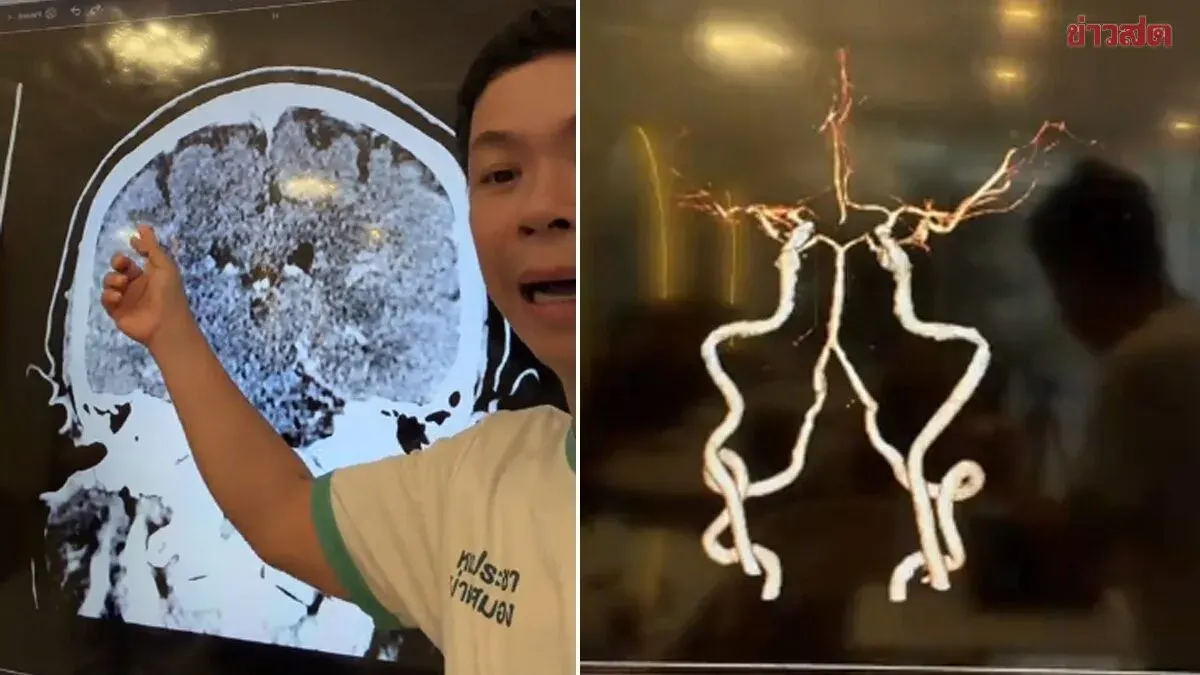
Dr. Pracha, a neurosurgeon, warns that being unable to recall names of foods or objects should not be dismissed — it is not trivial and could lead to brain death if ignored due to memory loss. He reveals early symptoms: mental fog, confusion, dizziness, then inability to recall names while still recognizing images. On October 24, 2026, Dr. Pracha posted a warning video stating that failure to recall names of things or people is abnormal and, left untreated, may progress to brain death. A patient presented with inability to name favorite foods. In the clip, the patient told the doctor, "Mom remembers Dr. Prapa as a neurologist." Dr. Pracha identified this as left-brain memory impairment. The patient described symptoms starting with fog and confusion, then dizziness, finally unable to name favorite foods — could picture them but not name them. Dr. Pracha showed brain scans explaining the right brain stores images, left brain handles sound, language, and translation. However, left-brain blood vessels were constricted, reducing brain function. Brain tissue appeared normal since not yet dead, only blood supply reduced. Angiography confirmed right-brain vessels normal with abundant flow, but left-brain vessels were sparse due to constriction. This area governs language and translation, causing name-recall failure as memory fades with poor perfusion. Fortunately caught at constriction stage; if a clot formed, right-side weakness and loss of control would follow. Summary: major left-brain artery constricted, brain tissue not yet dead. Treatment is relatively simple: take antiplatelet drugs to prevent clots, calcium channel blockers to keep vessels open, brain supplements, non-addictive sleep aids, cardio exercise, and reduce fried foods.