Floods Expose Thailand's Hidden Industrial Toxic Waste Crisis
An editorial warns that recent floods across Thailand have exposed long-standing illegal dumping of industrial toxic waste, with contamination found in Prachinburi's waterways including petroleum hydrocarbons. The government's reactive factory suspensions are insufficient; the piece urges nationwide proactive measures including source-to-disposal waste tracking, public pollution data, stronger penalties, and separation of industrial promotion from environmental regulation to prevent generational health impacts.
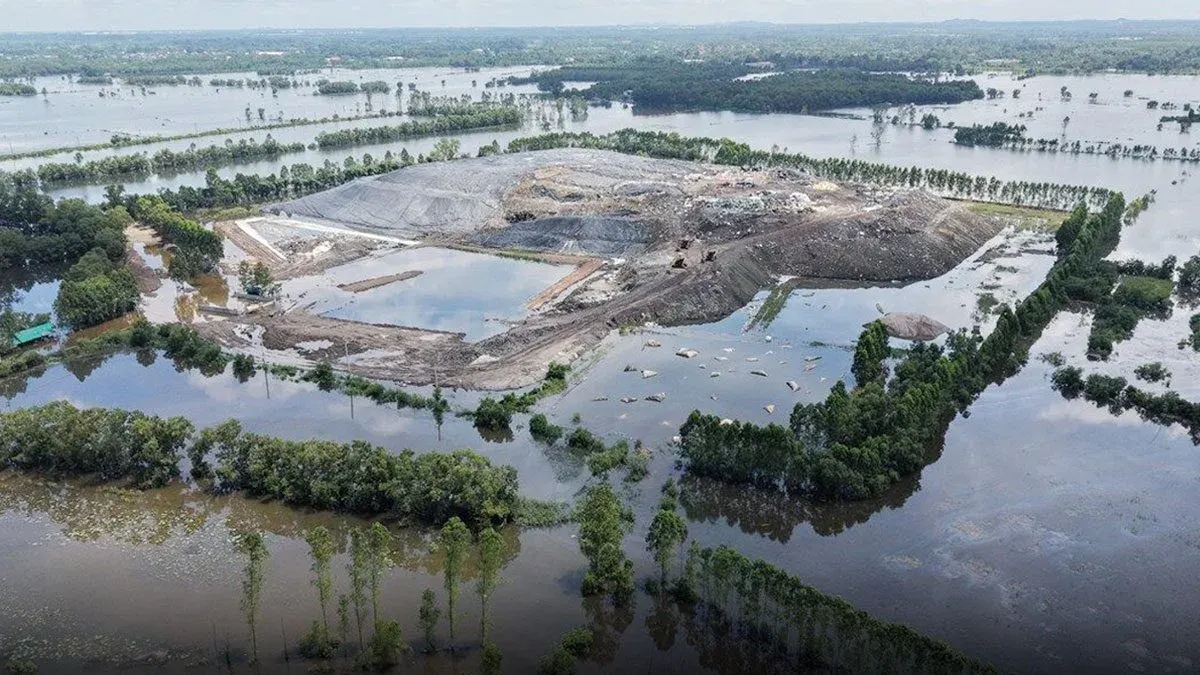
The problem of contaminated industrial toxic waste that surfaced during major flooding across multiple Thai provinces has become a critical environmental crisis drawing public attention. Beyond destroying water sources and agricultural land, it risks long-term health impacts on communities. While floods are not the root cause, they exposed toxic dumpsites that have accumulated for years. Rainbow-colored oil slicks, black wastewater, and mass fish deaths in Prachinburi reflect dangers from hazardous chemicals likely washed from areas suspected of illegal waste burial. Testing found high levels of petroleum hydrocarbons, heightening concerns over contamination in soil, water, and the food chain. This environmental problem is not new but has accumulated from covert dumping, illegal operations, and regulatory gaps. When floods hit, hidden toxins were washed out into the open. Although the government has begun inspections and ordered some factories suspended, spot management is insufficient because pollution sources are scattered across industrial estates, recycling warehouses, old waste ponds, and risk areas nationwide. Waiting for disasters to strike before acting only leaves the public facing repeated risks. The government must shift from reactive fixes to proactive control, starting with nationwide risk-area inspections, tracking industrial waste from source to disposal, and making pollution data publicly accessible. Laws and penalties must be strengthened to match the damage, and perpetrators prosecuted based on evidence. Simultaneously, industrial promotion roles must be clearly separated from environmental oversight, with compensation measures for affected communities and restoration of contaminated sites. Some toxins persist in the environment for years or decades; if ignored, they risk contaminating water and food sources, impacting public health across generations. The government must stop patchwork solutions and genuinely pursue nationwide proactive pollution control. Industrial toxic waste is not merely a factory or flood-zone issue — it threatens the nation's water, food, and public health. If the state continues sweeping the problem under the rug, the damage will fall on the people and future generations. It is time for those in power to protect lives and the environment before business interests.