Thai Agriculture Minister Boosts Dairy Income with Farm Milk Shops
Thailand’s Agriculture Minister Suriya Jungrungrueangkit has directed the Livestock Department to boost dairy farmers’ income nationwide through the ‘Milk Shop at Farm’ initiative, which processes raw milk into high‑value products. The program can increase the value of milk from 22.75 baht per liter to as much as 667 baht, a rise of over 29 times, while ensuring safe, quality milk reaches consumers. Over 30 farm‑front milk shops are already operating, with a new one set to open in Chanthaburi’s Soi Daw District.
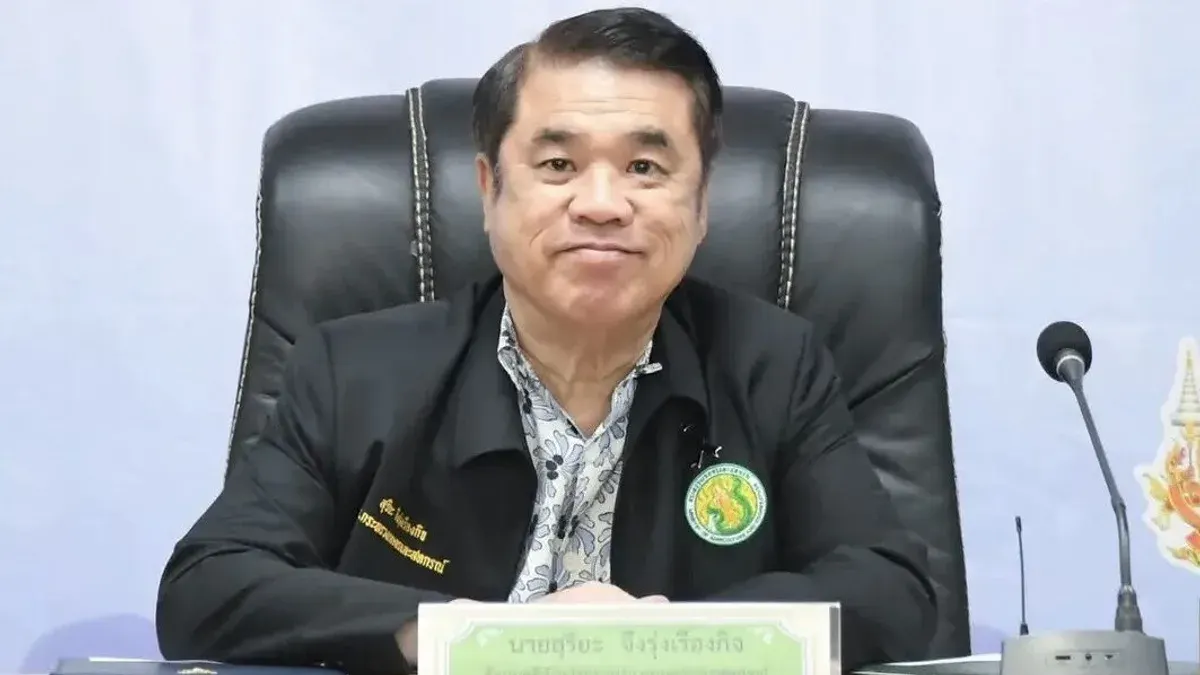
19 October 2029 – Mr. Suriya Jungrungrueangkit, Minister of Agriculture and Cooperatives, instructed the Livestock Department to raise the income of dairy farmers across the country. The Livestock Department chief led a team to Chanthaburi Province to support the policy, mobilizing the Livestock Products Division and affiliated agencies to drive the ‘Milk Shop at Farm’ project. This project processes high‑quality raw milk into a variety of products, highlighting a value‑addition approach that turns milk worth 22.75 baht per liter into products valued at up to 667 baht – an increase of more than 29 times – while delivering fresh, safe milk to consumers.
Mr. Chaiwat Yothon, Livestock Department Director‑General, said during a field visit to monitor dairy work in the eastern and lower northeastern regions and while presiding over the 2028 annual general meeting of the Soi Daw Dairy Cooperative Ltd. in Soi Daw District, Chanthaburi, that Minister Suriya emphasized the key policy of ‘increasing farmers’ income’ by assigning the Livestock Department to boost farmer income through livestock product processing, adding value, expanding market channels, and improving farmers’ livelihoods in concrete ways.
The Livestock Department, through its Livestock Products Division, embraced this approach by promoting and establishing the ‘Milk Shop at Farm’ project, which serves as a sales point for fresh cow milk and quality dairy products managed by dairy cooperatives or community enterprises. It aims to transfer knowledge on hygienic processing of raw milk into foods and drinks such as fresh‑milk tea/coffee, local‑fruit yogurt smoothies, cakes, cookies, ice cream, cheese, and pudding, while stimulating consumption of Thai dairy products among all ages and supporting the growth of quality‑conscious cafés. Opening a farm‑front milk shop creates an important link between consumers and producers, offering genuine fresh milk in modern, accessible, and cost‑effective forms.
He added that the project is a key way to raise the raw‑milk price structure, transforming the farm‑gate price of 22.75 baht per liter into diverse menu items that generate a market value of up to 667 baht per liter of raw milk, or a 29.3‑fold increase. Currently there are 30 such milk shops nationwide, with the Soi Daw Dairy Cooperative set to become the 31st, ready to serve consumers directly.
The Livestock Department oversees the entire dairy production chain, from developing GAP‑standard farms to improving the ‘Tropical Holstein’ breed that tolerates heat and disease, supporting animal feed to cut costs, and enforcing safety standards. This ensures that Thai consumers receive 100% pure, clean, safe, and nutritious cow’s milk. The department invites the public to support Thai dairy products to promote health and drive sustainable growth of the rural economy.