Khon Kaen Doctor Urges Winter Health Guard Against Flu, PM2.5
Doctors at Khon Kaen Hospital warned residents to guard against seasonal flu and PM2.5 air pollution as winter approaches, especially for people with allergies and emphysema. Dr. Nitigorn Soncha urged continued use of prescribed medication, early medical consultation for abnormal symptoms, and vaccination for high‑risk groups, noting that untreated infections can progress to pneumonia. He also called for community cooperation to reduce dust pollution and recommended protective measures such as N95 masks and good hygiene habits.
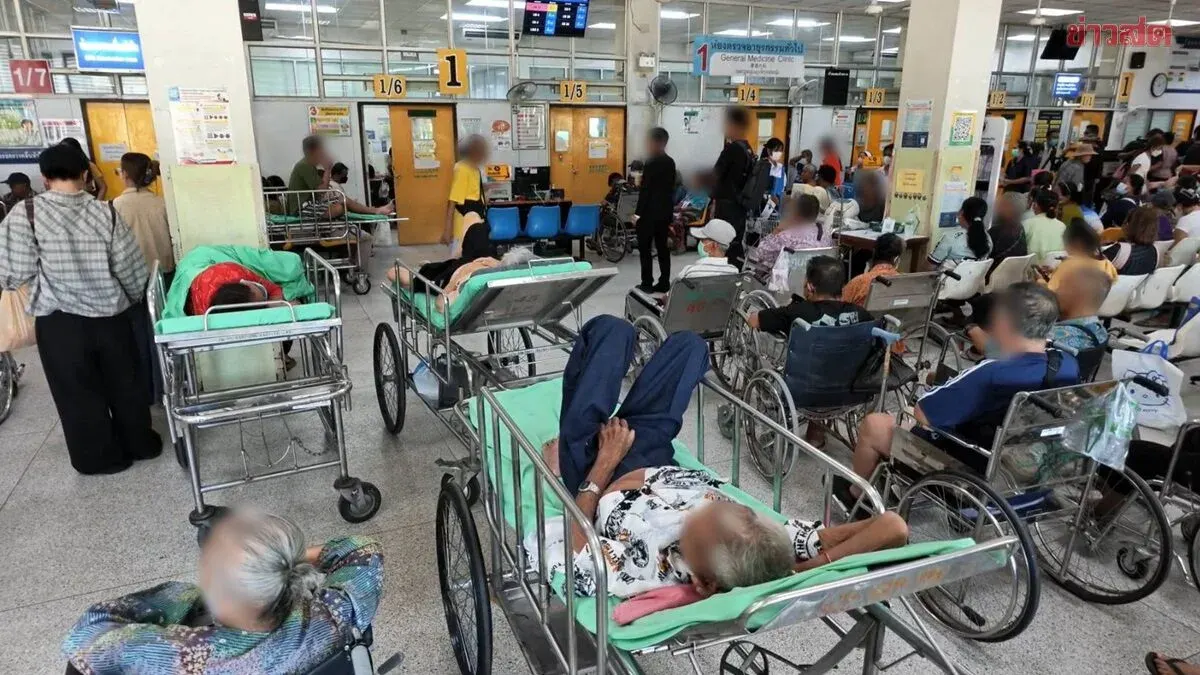
Speaking at Khon Kaen Hospital at 11:00 a.m. on October 19, 2069 (Buddhist calendar), Dr. Nitigorn Soncha explained that the onset of winter brings a rise in respiratory illnesses, including common cold and influenza, which require ongoing vigilance. He emphasized that vulnerable groups—people with allergies and emphysema—are at risk of worsening symptoms when infected, and that PM2.5 dust can aggravate both respiratory and skin allergies, leading to flare‑ups. Patients who rely on regular medication should not skip doses and should consult a doctor at the first sign of abnormality, because untreated upper‑respiratory infections can spread to the lungs and cause pneumonia, sometimes requiring hospitalization.
He added that while the hospital’s severe‑case numbers have not changed markedly, primary‑care facilities such as medical centers and tambon health‑promotion hospitals are seeing a significant increase in patients with mild respiratory symptoms seeking cough medicine, cold remedies, or nasal decongestants—typical during seasonal transitions in both the rainy and winter months. Reducing PM2.5 pollution demands collective effort, as much of it stems from open burning and general air pollution; people should avoid activities that generate dust, such as burning waste or using resources that create particulate matter.
For personal protection, he recommended wearing N95 masks when exposed to PM2.5, while those with respiratory illnesses should wear surgical masks to limit the spread of infection when coughing or sneezing. He also reminded the public to maintain good health habits: eat hot food, use serving spoons, wash hands, wear masks, get enough rest, eat nutritious meals, and reduce stress, noting that fluctuating weather—occasional rain in winter or swings between hot and cold—requires consistent self‑care.
Dr. Nitigorn stressed that vaccination remains essential, especially for high‑risk groups such as the elderly, pregnant women, people with chronic diseases, and children. Although vaccines do not prevent infection entirely, they reduce severity when illness occurs. However, vaccination coverage among target groups remains below 50 % each year, while many healthy adults seek the vaccine but some at‑risk individuals refuse it due to fears of side effects, believing vaccination could worsen their existing conditions. He noted that even when health workers visit homes, some patients still decline the shot.
Finally, he mentioned that vaccine supplies are insufficient for certain groups, including children who develop dry, cracked skin in cold weather, a condition possibly linked to allergic dermatitis and lack of skin moisture, with severe cases leading to skin fissures.