Pheu Thai Says Bhumjaithai-Klaitham Merger Won't Affect Its Quota
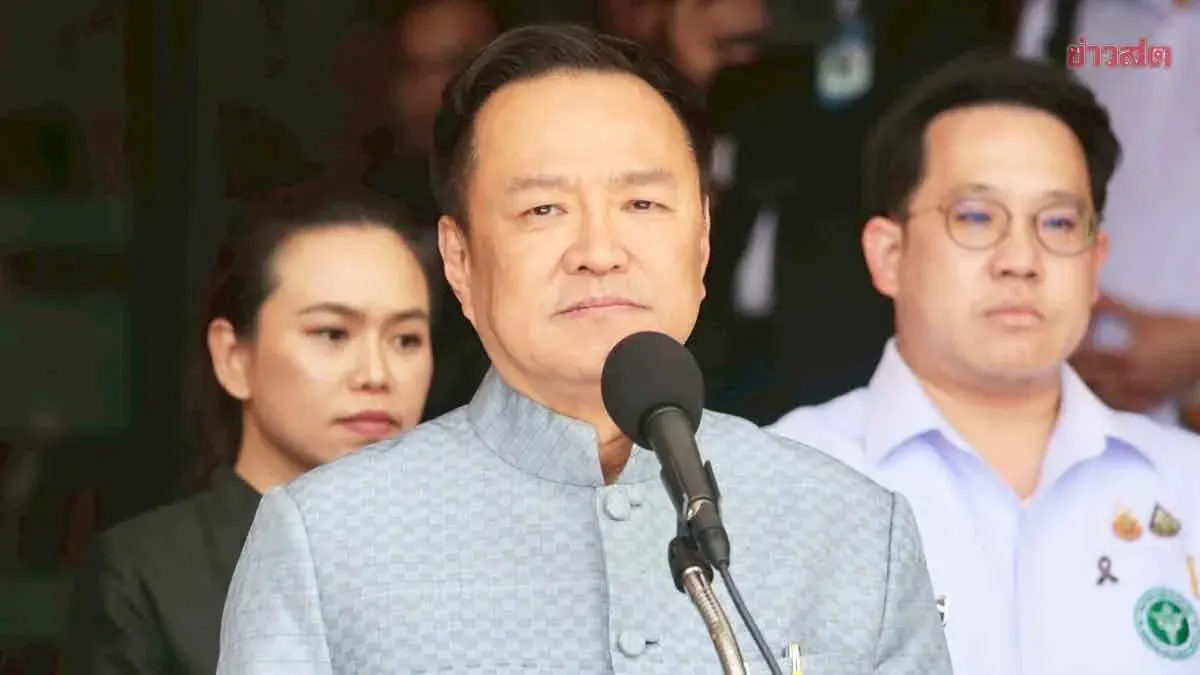
Prasert Chantaravongthong downplayed the significance of a meal between Prime Minister Anutin Charnvirakul and Klaitham Party leader Lt. Thamanat Promphao, saying it is routine and carries no political weight. He dismissed rumors of a Bhumjaithai‑Klaitham merger affecting Pheu Thai’s ministerial quota and expressed confidence that the party’s unity will hold during the upcoming no‑confidence debate. Prasert also argued that three days is sufficient for the debate, rejecting the opposition’s request for five days.
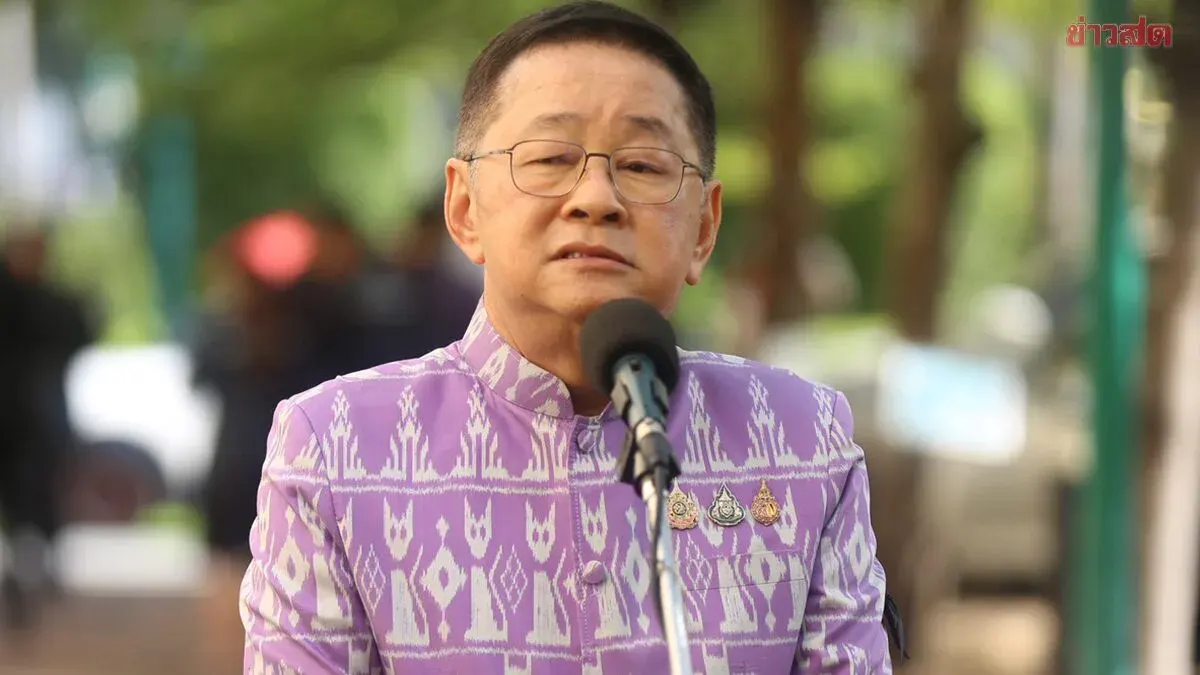
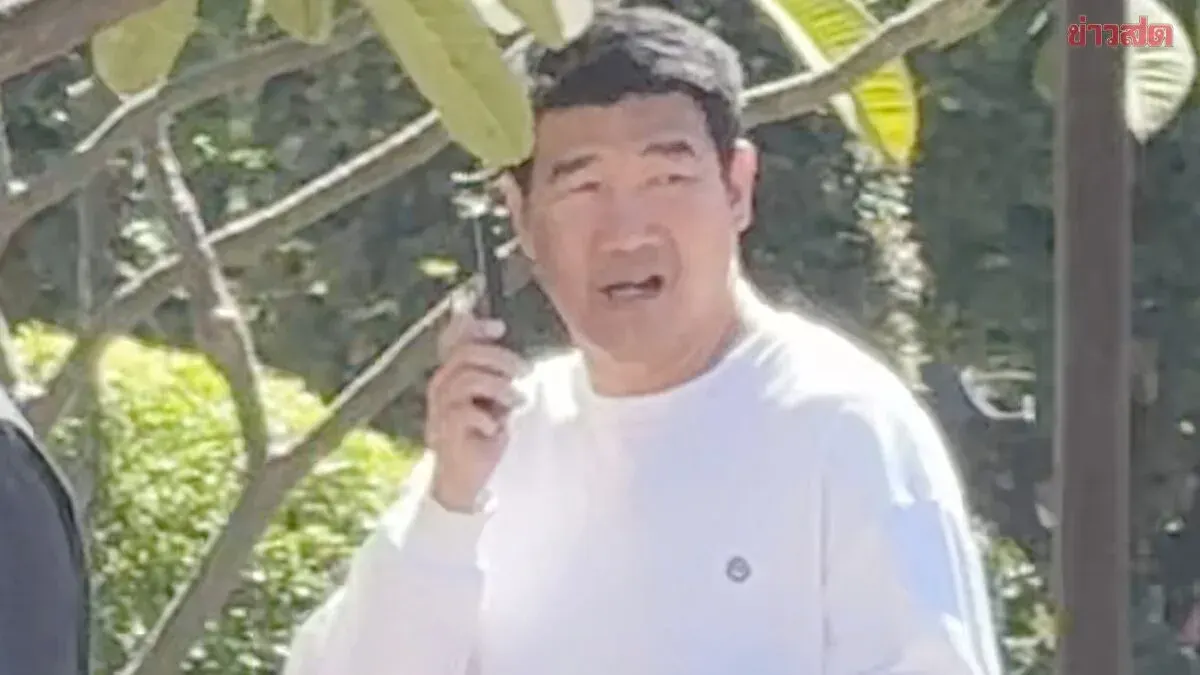
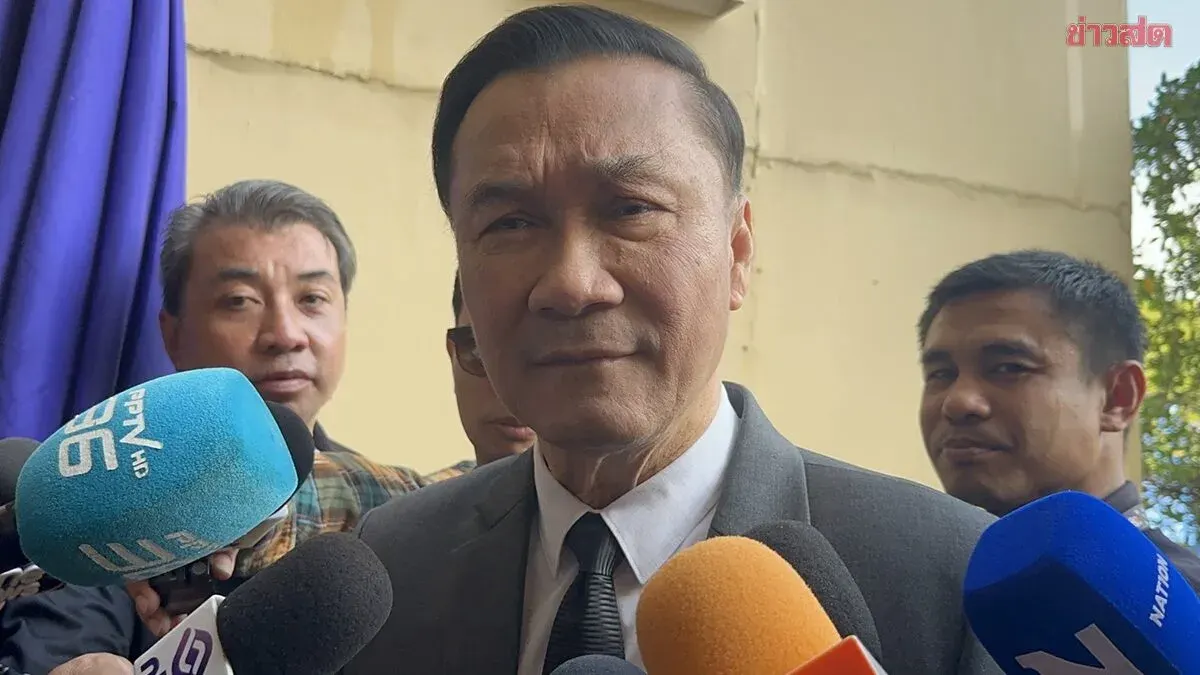
Prasert Chantaravongthong, who serves as Education Minister and secretary‑general of the Pheu Thai Party, told reporters at Government House on 20 October 2069 that he has no information about any possible merger between the Bhumjaithai and Klaitham parties. He said the widely circulated photo of Prime Minister Anutin Charnvirakul having lunch with Lt. Thamanat Promphao, leader of the Klaitham Party, is nothing out of the ordinary because the two men know each other well, are close in age, and have dined together before. He described Anutin as a personable individual who often meals with many people, so the gathering is not remarkable.
When asked whether the meeting carries political significance, especially given speculation that the parties might merge or join the government after the no‑confidence debate, Prasert deflected, saying any decision about a merger or coalition must be directed to Anutin in his role as head of government. He noted that Pheu Thai currently holds five ministries and eight ministerial positions, and he believes the reported merger would not affect that quota. He added that the party continues to work normally in support of the government’s overall agenda.
Regarding a potential cabinet reshuffle, Prasert said it is too early to speculate and that no decisions have been made yet. On the no‑confidence debate, he affirmed that Pheu Thai, as a coalition partner, is ready to respond to any questions directed at its ministers, in line with normal parliamentary practice and political etiquette.
On the length of the debate, Prasert argued that three days is sufficient, citing past instances where the prime minister and a cabinet of 35 ministers were questioned within that timeframe. He believes that if the opposition focuses its questions and sticks to substantive issues, three days will be enough, followed by a separate day for voting. He dismissed the opposition’s call for five days as excessive, expressing confidence that the three‑day format can be agreed upon by the three‑side whip committee.