Luang Pho Pak’s Legacy Lives On Through Sacred Amulets
Luang Pho Pak (Phak) Chanthasuvanno, a revered monk from Wat Bot in Ang Thong, became famous for his compassion, mystical knowledge, and creation of powerful amulets, especially the bia kaе charm. After serving as abbot and district monk chief, he passed away in 1942 at age sixty, leaving a lasting legacy of sacred objects that remain highly sought after by devotees and collectors.
After completing basic studies with Luang Pho Thuen, the abbot of Wat Luang, Luang Pho Pak was ordained at age twenty at Wat Oi in Wiset Chai Chan, receiving the monastic name Chanthasuvanno from his preceptor, the same Luang Pho Thuen. He then spent nine rainy seasons studying scriptures and vipassana meditation under the monk known as Ajarn Uit at Wat Hong Rattanaram in Bangkok, following his older brother Phra Rattanamuni.
Upon returning, he learned mysticism from his elder brother Ajarn Wat, a former bandit from the Ang Thong‑Suphan Buri fringe who had renounced crime and devoted himself to Buddhist teachings, passing on his expertise in protective charms such as the bia kaе amulets, ton takrut, and red yantra cloths. Another important teacher was Luang Pho Bun from Phichit Province, who instructed him in the consecration of tiger‑fang and elephant‑ivory carvings as well as various occult sciences.
In 2454 BE (1911 CE) the abbot of Wat Bot, Luang Pho Nen, passed away; devotees from Aob Thom and Ban Khao Chan invited Luang Pho Pak to reside at the temple, and the following year he was appointed abbot. Under his leadership Wat Bot flourished, attracting crowds seeking merit, business assistance, and protective talismans, and he gained a large following of disciples.
He was later named a preceptor in 2461 BE (1918 CE) and became district monk chief in 2462 BE (1919 CE). Luang Pho Pak passed away peacefully around 2485 BE (1942 CE) at the age of sixty, having spent forty years in the monastic life. His death was deeply felt by his followers.
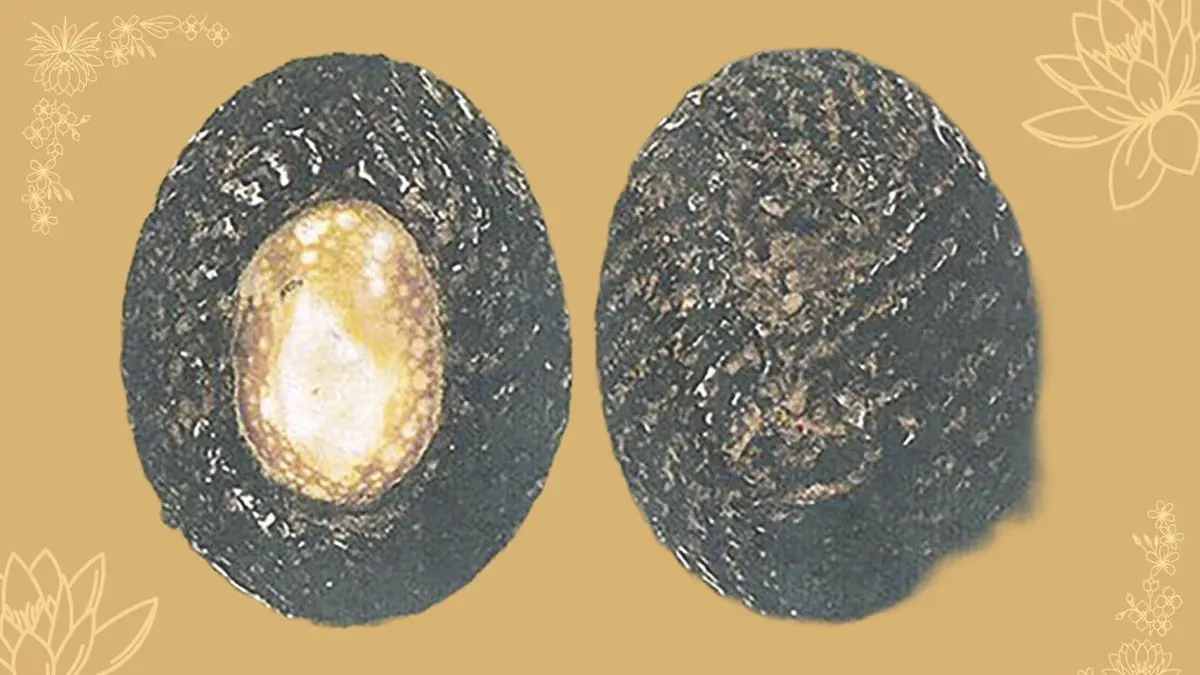
During his lifetime he created many sacred objects, including gold, silver, and copper likeness medals that are now rare and valuable, as well as charms such as carved ivory lions, ton takrut, and ivory‑drum amulets. The bia kaе amulet is regarded as his supreme talisman: a cowrie shell filled with mercury, sealed with underground resin and capped with a flattened takrut, believed to ward off black magic, poison, and misfortune while granting safety and invincibility.