Melioidosis Kills 45, Infects 570 in Four Isan Provinces
Health officials report 570 melioidosis cases and 45 deaths across four lower northeastern provinces since January. The bacterial infection, spread through contaminated soil and floodwater, hits older adults and agricultural workers hardest. Authorities urge protective gear, wound care, and prompt medical attention for fever after soil or water exposure.
On October 22, 2026, Dr. Sailak Phimko, director of the Office of Disease Prevention and Control 9 in Nakhon Ratchasima, updated the melioidosis situation in Health Region 9, which covers the four lower Isan provinces of Nakhon Ratchasima, Chaiyaphum, Buriram, and Surin. From January 1 to October 22, 2026, the region recorded 570 cases and 45 deaths. Nakhon Ratchasima had 136 cases and 17 deaths, Chaiyaphum 50 cases and 5 deaths, Buriram 245 cases and 12 deaths, and Surin 139 cases and 11 deaths. The most affected age group is 65 and older, followed by 55–64 and 45–54.
The disease poses a heightened threat during prolonged rain and flooding, when the bacterium Burkholderia pseudomallei — naturally present in soil and water — spreads more easily. Infection enters through skin wounds or abrasions, inhalation of contaminated dust, or ingestion of contaminated water or food, and can rapidly become fatal.
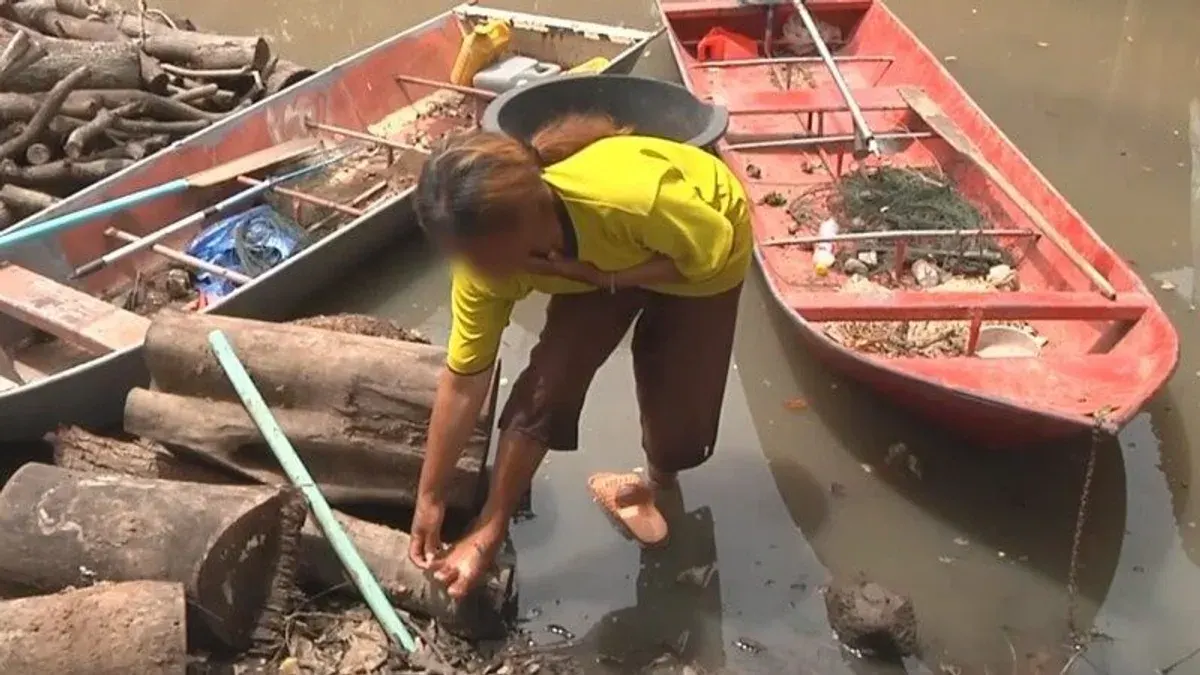
Authorities urge the public, especially farmers who regularly handle soil, water, and mud, to wear protective gear such as boots, rubber gloves, long pants, or waders whenever they work in fields, clean flood-damaged homes, or contact wet soil. Any wounds should be covered with waterproof dressings and kept away from soil and water until healed. After exposure, shower thoroughly with soap; clean and dress any wounds immediately, avoiding traditional remedies like soil or herbs. Drink only boiled or certified clean water, eat well-cooked food, and maintain good health, especially those with diabetes, chronic kidney disease, or weakened immunity. Anyone developing a persistent high fever for two days or more after contact with soil, water, or mud should seek medical care promptly and inform the doctor of the exposure risk.