Justice Ministry Considers Probe of 8 in Ballot QR Code Case
Thailand's Ministry of Justice is reviewing an anonymous petition asking the Department of Special Investigation to probe eight prominent figures — including academics, tech experts, a former election commissioner, and a lawyer — over allegations they photographed and attempted to decode ballot QR codes from the 2026 general election to link voters to their choices. The Constitutional Court later ruled the ballot coding system was constitutional and did not violate voter rights.
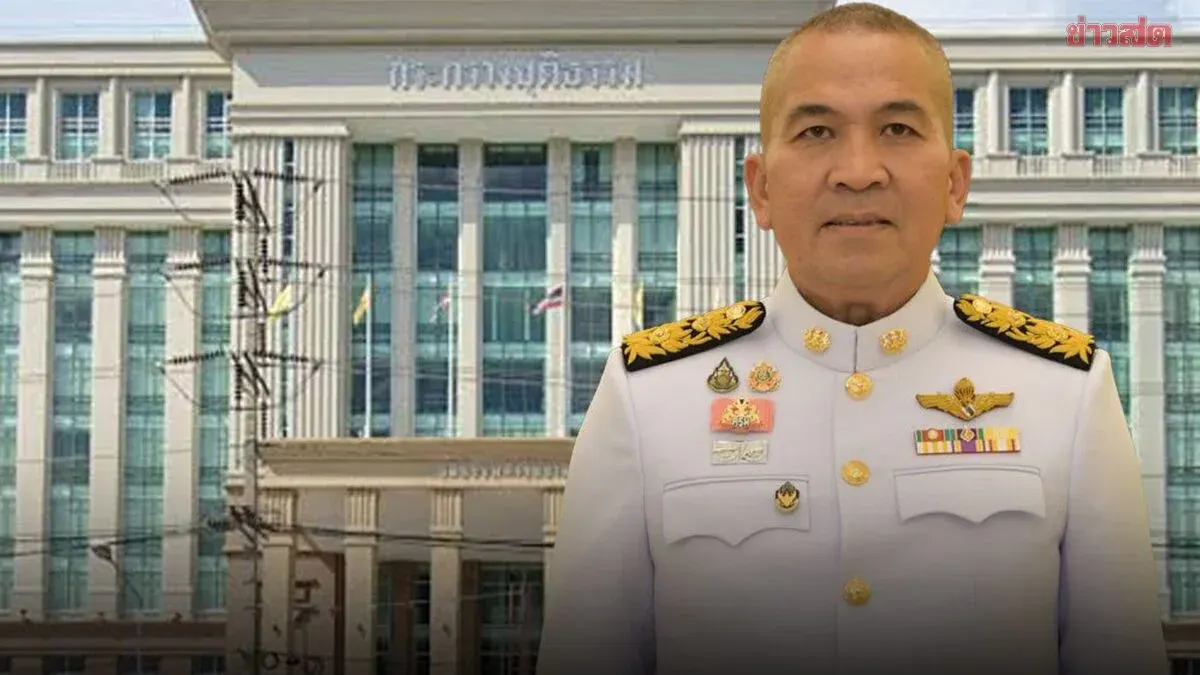
The Ministry of Justice is preparing to review an anonymous petition submitted to the Department of Special Investigation (DSI) requesting action against eight prominent figures accused of jointly photographing QR codes on ballot papers and attempting to decode barcodes and QR codes — classified information — to link voter data from the October 21, 2026 general election.
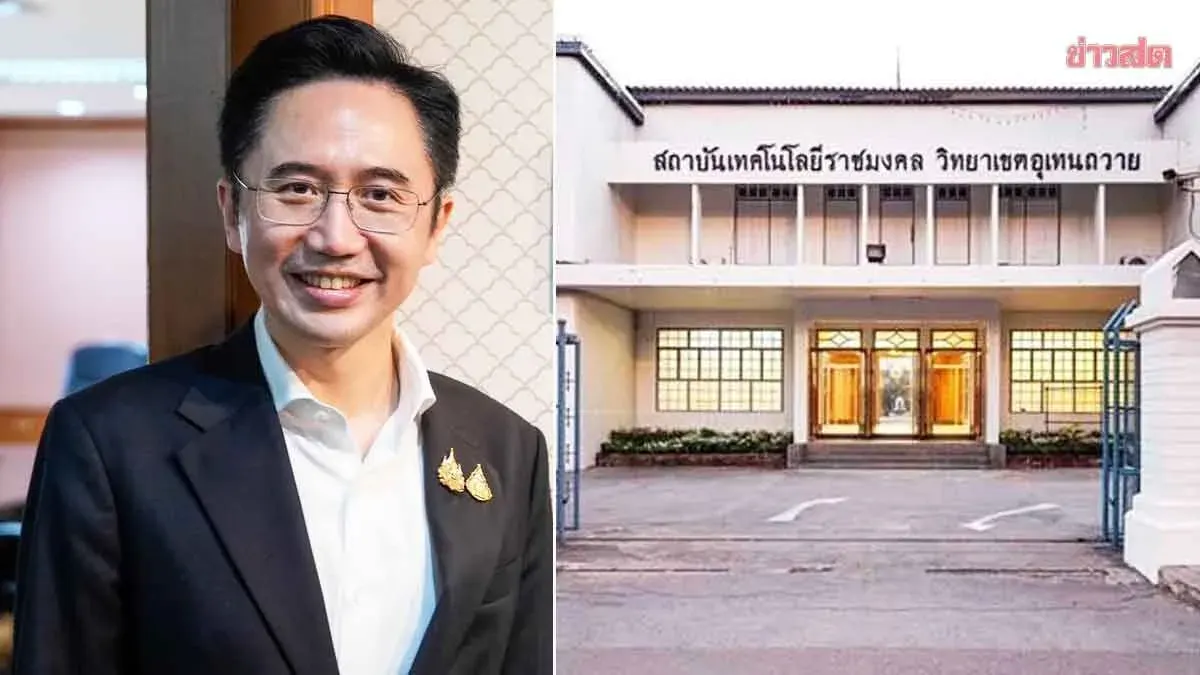
Media reports indicate that an anonymous complainant, referred to as "Ms. A," delivered a letter to the Ministry of Justice's Permanent Secretary asking the DSI to pursue charges against eight individuals. They are: Thammathorn Sukchotrat, known as "Dr. Ruebin," Dean of DhiVote at Sripatum University; Thanarat Kuawattananphan, CEO of DomeCloud Co., Ltd., a software and blockchain technology expert; Chaiphan Chawalwanichchai, known as "Kru Chai," owner of the M.I.B Marketing In Black Facebook page; Somchai Srisutthiyakorn, a former Election Commissioner; Prisit Watsaritsin, a party-list MP for the Prachachon Party; Songphon Rueangsamut, head of photography at Spacebar news agency; Associate Professor Dr. Prinya Thaewanarumitkul from Thammasat University's Faculty of Law; and Phattharaphong Suphakorn, known as "Lawyer An."
The complaint alleges they jointly committed offenses including wrongfully disclosing sealed documents likely to cause harm, disseminating such information to the public not in good faith or as constitutional expression, inputting computer data related to national security, and obstructing election officials — violations under Criminal Code Sections 83, 116, 209, 322, the Computer Crime Act B.E. 2550 Section 14, and the Organic Act on the Election Commission B.E. 2560 Section 66.
The petition states that on February 22, 2026, Thammathorn and associates photographed ballot papers for the new House of Representatives election in Constituency 9, District 15, Kannayao, Bangkok. They allegedly covertly photographed ballot stubs and attempted to decode barcodes and QR codes on both constituency and party-list ballots — classified information — to link the data to specific voters and their choices. The group reportedly divided roles in a sustained campaign that may constitute incitement, distortion of information, and creation of widespread social chaos aimed at pressuring the Constitutional Court.
Subsequently, the Constitutional Court ruled that the use of barcodes and QR codes on ballots did not violate Constitutional Sections 50, 83(2), or 85(1), and did not infringe on the rights and liberties of the petitioners or eligible voters.
Media reports note that the Facebook page "Lawyer An Buriram" responded to the case, posting: "If Lawyer An gets charged with defamation and theft, who will buy grilled pork and fried rice to send in? The era of thugs framing people."