Former Commerce Minister Praises IMF-World Bank 2026 in Bangkok
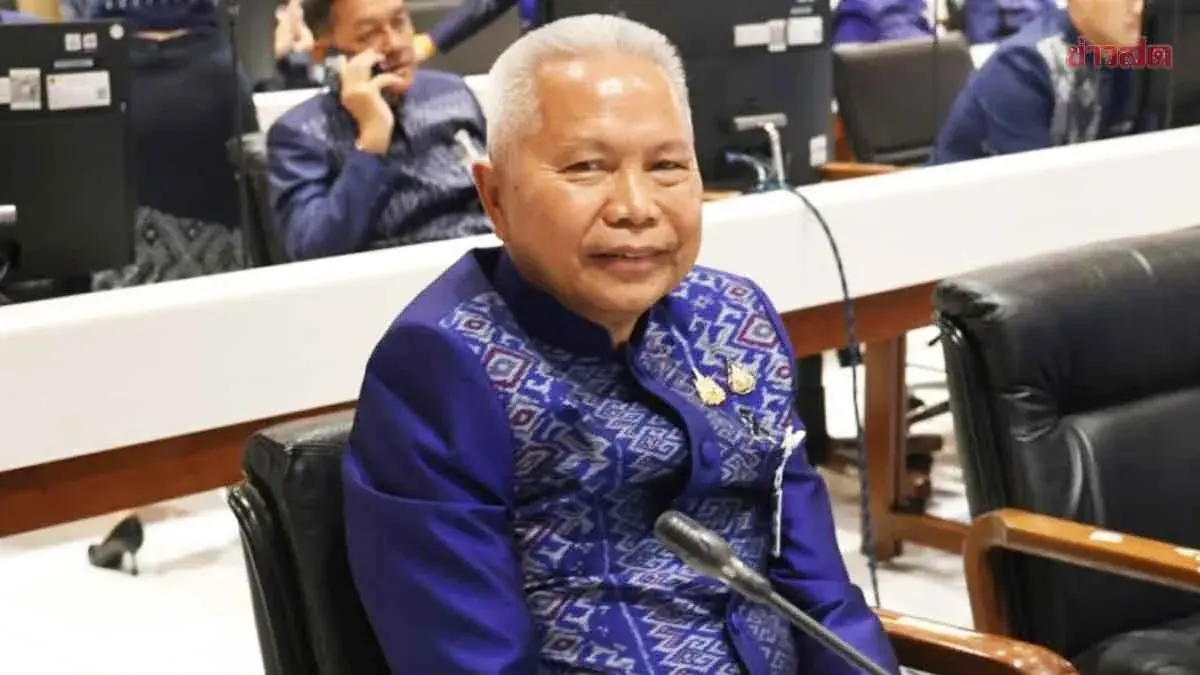
Former Commerce Minister Pichai Naripthaphan praised the successful IMF–World Bank 2026 conference in Bangkok and urged the government to turn its outcomes into concrete economic policies. He identified four challenges—energy price volatility and inflation, high public and household debt, AI as both opportunity and risk, and the global youth‑employment crisis—and recommended measures such as fuel tax cuts, GDP‑boosting productivity gains, building an AI ecosystem with data centers, and upskilling workers to create future jobs.

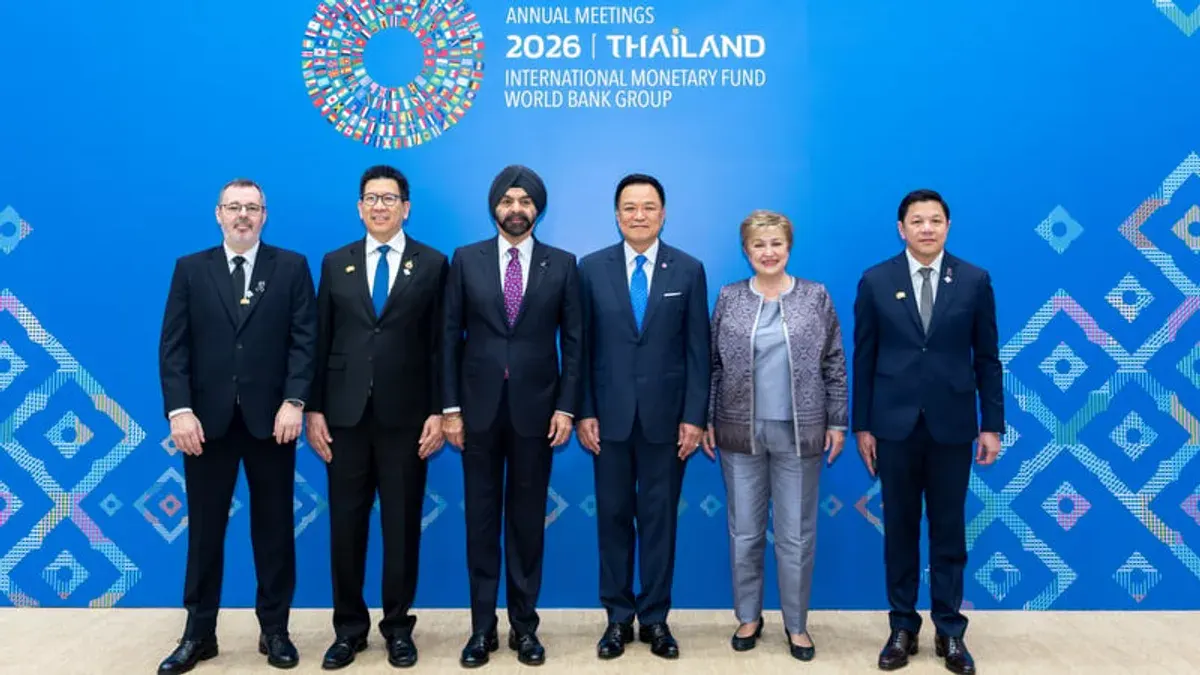
Former Commerce Minister Pichai Naripthaphan said he commends the government for the successful IMF–World Bank 2026 conference held in Bangkok, which gave Thailand a chance to demonstrate its potential to the international community. He stressed that the government must build on the conference’s results to achieve maximum benefit by turning the four major challenges highlighted at the event into concrete policies for Thailand’s economy.
First, the war‑related surge in energy prices and inflation raises living costs and hurts business competitiveness; the government should prepare risk‑mitigation measures and consider reducing fuel excise taxes to ease the burden on people and small‑and‑medium enterprises.
Second, Thailand’s high public and household debt limits economic growth; solving it requires more than short‑term fixes—GDP must be raised, productivity lifted, and incomes increased for people and firms so the economy can grow sustainably and debt‑repayment capacity improves over the long term, alongside household‑debt relief programs and SME debt‑resolution measures.
Third, AI presents both a challenge and an opportunity. If Thailand can attract investment and build the necessary infrastructure quickly, it can upgrade industry and create new businesses; otherwise, regulatory barriers could cause it to lose ground to competitors. Kristalina Georgieva of the IMF noted that Thailand is among the fastest economies to integrate itself into the AI value chain and has benefited from AI‑related infrastructure investment, which supports global economic growth. Therefore, the government should accelerate an AI ecosystem centered on data centers linked to cloud services, GPU technology, skilled workers, and related industries. Pichai pointed out that he has advocated AI, robotics, Bitcoin and fintech since 2017 in his book ‘Rapee’, raised the issue at the 2025 World Economic Forum in Davos, and in 2024 urged foreign investors to put money into Thailand’s electronics‑parts and PCB sectors, leading to a notable rise in exports of those products.
Fourth, the global youth‑employment crisis was highlighted by World Bank President Ajay Banga, who estimated that over the next 10–15 years about 1.2 billion young people in developing countries will enter the labour market while only around 400 million jobs will be available. For Thailand, developing an AI ecosystem together with workforce upskilling and education reform can attract investment, create high‑value jobs, and prepare Thais for a changing labour market, offering the country a major opportunity to benefit from this shift.