Flood Victims Face Debt and Housing Challenges Nationwide
A nationwide survey shows that although floodwaters are receding, many Thais remain worried about home damage, debt, and lost income. Over a third fear long‑term debt and repair costs, while more than 40% call for direct cash relief from the government. The article urges swift, tangible aid to prevent flood recovery from turning into a lasting household‑debt crisis.
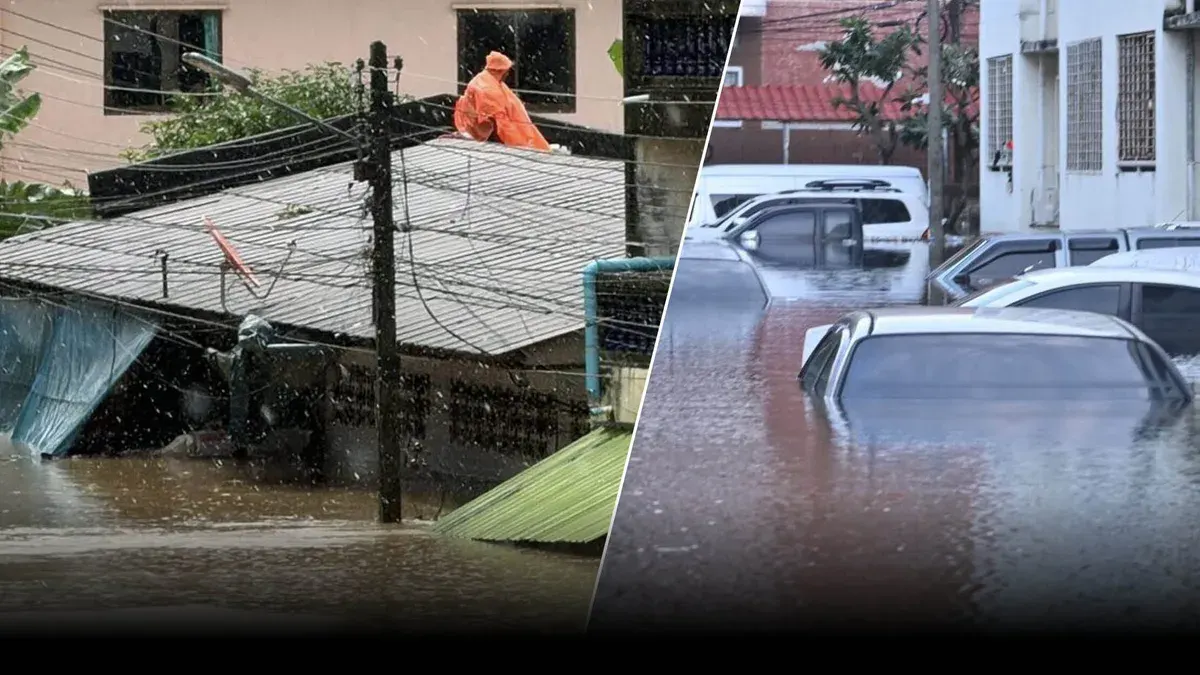
Many flood-affected areas are seeing the situation ease, but the crisis for the public is far from over. What remains after the waters recede are damaged homes and property, ruined livelihoods, repair and recovery costs, and falling incomes while debts rise. The KPI Poll by the King Prajadhipok Institute, titled 'Public Concerns and Expectations for Post-Flood Recovery,' surveyed 2,000 people nationwide and clearly reflects victims' worries. The top concern is damage to houses or property at 38.8%, followed by fear of repeated flooding at 24.8%, and worry about reduced income or increased debt at 18.2%. These figures show that even as water levels drop, life remains unstable for flood victims. Particularly worrying is that 37.3% see debt and repair costs as the most prolonged problem, while 18.3% say their income and occupations have not yet recovered—two major issues the government must address urgently. Many victims need money to repair homes and buy essentials while their earnings have not returned to previous levels. With expenses rising and incomes falling, recovery is difficult; if left to cope alone, flood damage could evolve into long-term household debt and undermine the grassroots economy. The survey also found that 40.5% want the government to provide cash relief most, 21.6% seek assistance for home and essential property repairs, and 12.1% request debt moratoria or reduced financial burdens. This indicates that people need tangible, swift help, not just encouragement. The government should therefore speed up cash aid distribution, cut unnecessary procedures, coordinate agencies to repair housing, ease debt burdens, and support a swift return to livelihoods, alongside health and psychosocial care and preparedness for future floods according to local risks. The lesson is clear: water management must not end when the water is drained but must continue through the recovery of people's lives. For those whose homes are damaged, savings depleted, and debts still owed, returning to normal life will not happen overnight. Although the water may be receding today, the government's major task is not yet finished—it must alleviate worries and restore stability so every family can get back on its feet, resume earning a living, and live normally again.