Three Plans Proposed to Stabilize Food Prices Amid Climate Change
Thailand's Trade Policy and Strategy Office has proposed three measures to stabilize food prices amid growing climate change impacts on agriculture. The plans include using harvest forecasts for risk management, preparing trade interventions in advance, and launching a near-harvest prediction system. Recent floods damaged over 240,000 rai of crops and killed millions of livestock, while the World Bank warns Thailand's GDP could fall 7–14% by 2050 without adaptation.
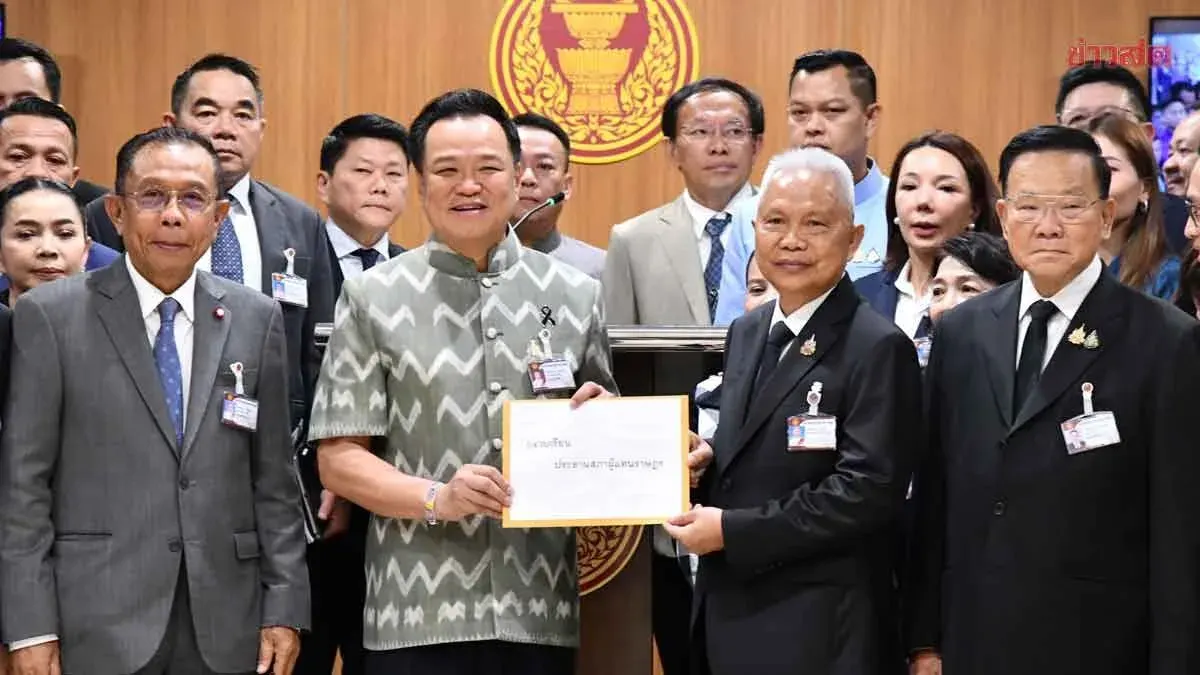
Nanthaphong Jira-lekpong, Director of the Trade Policy and Strategy Office (TPSO) at the Ministry of Commerce, revealed that climate change is heightening uncertainty over the volume and timing of agricultural produce reaching markets, risking disruption to distribution and long-term price stability. He proposed three approaches leveraging yield forecasts to support risk management and pre-emptive trade measures, aligning with the Deputy Prime Minister and Commerce Minister's policy goals of safeguarding farmer incomes alongside the public's cost of living. A key initiative is a "near-harvest" prediction system that forecasts yields by area, enabling relevant agencies to prepare timely responses.
Nanthaphong noted that recent flood situations across multiple areas have impacted agriculture in both production and distribution. Data from the Ministry of Agriculture and Cooperatives shows that between August 21 and October 19, 2026, crop damage was reported on 240,598 rai — comprising 195,887 rai of rice, 35,180 rai of field and vegetable crops, and 9,531 rai of fruit, perennial trees, and others. Fisheries suffered damage on 79,318 rai, while livestock losses exceeded 4.58 million animals, reflecting the sector's vulnerability to natural disasters that can affect market supply and related economic activity.
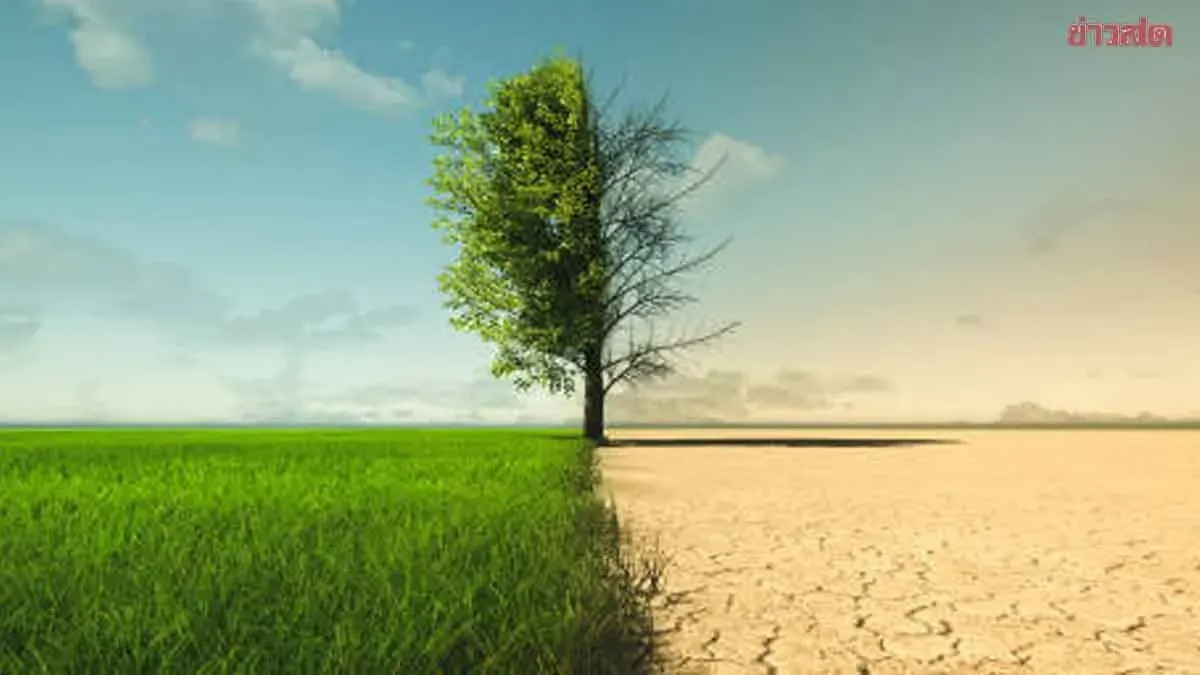
The long-term concern is not just the frequency or severity of disasters, but the unpredictability of agricultural supply. Erratic weather can affect yields, quality, and harvest timing, causing some periods to see less produce than expected while others see gluts. This makes procurement and inventory planning difficult for businesses and heightens price volatility risk, especially for perishable goods or those with storage constraints. Climate change risks therefore extend beyond farms to production costs, raw material sourcing, distribution, and consumer prices.
Damage assessments must look beyond affected acreage to actual lost yield, salvageable harvest, and the ability to bring goods to market, allowing the state to assess supply and price risks more accurately.
Additionally, the World Bank's Thailand Country Climate and Development Report, released in October 2025, warns that Thailand faces risks from flooding, drought, rising temperatures, and the transition to a low-carbon economy. Without serious adaptation measures, physical climate impacts could reduce Thailand's GDP by 7–14 percent below baseline projections by 2050. Meanwhile, the WMO's State of the Climate in Asia 2025 report reflects risks from extreme weather that could affect production and supply chains across the region.
Nanthaphong emphasized the critical challenge: shifting from managing agricultural goods based on realized output to using predictive data to see risks before produce hits the market. Waiting for shortages or price swings to emerge before acting may be too late.