Officials Urge Law Changes to Boost Thapha Port Development
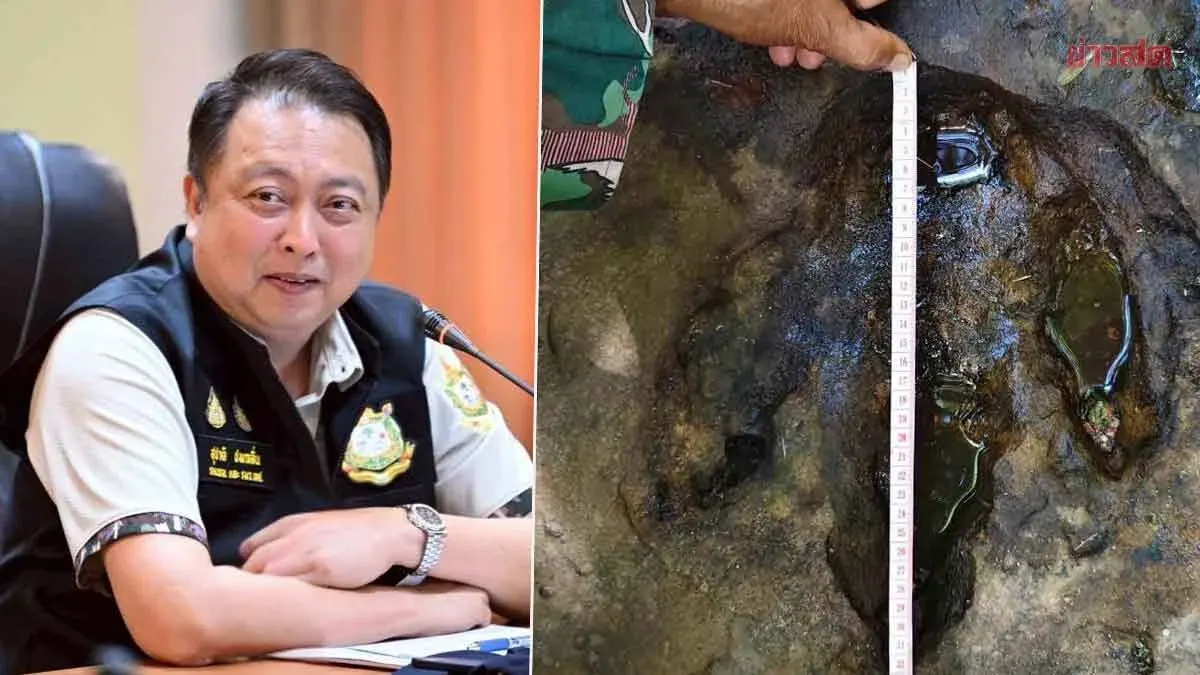
Pol. Lt. Gen. Thavee Sodsong visited Thapha Port in Songkhla to push for legal changes that would enable a goods distribution center and connect the port to a mini land bridge linking Penang and the border crossing. Former Senator Anumat Ahmad explained that outdated zoning and wildlife sanctuary laws are blocking development despite the port’s proven low environmental impact and strong local employment. He urged the government to amend the two laws to unlock investment, lower logistics costs, and boost the southern border economy.
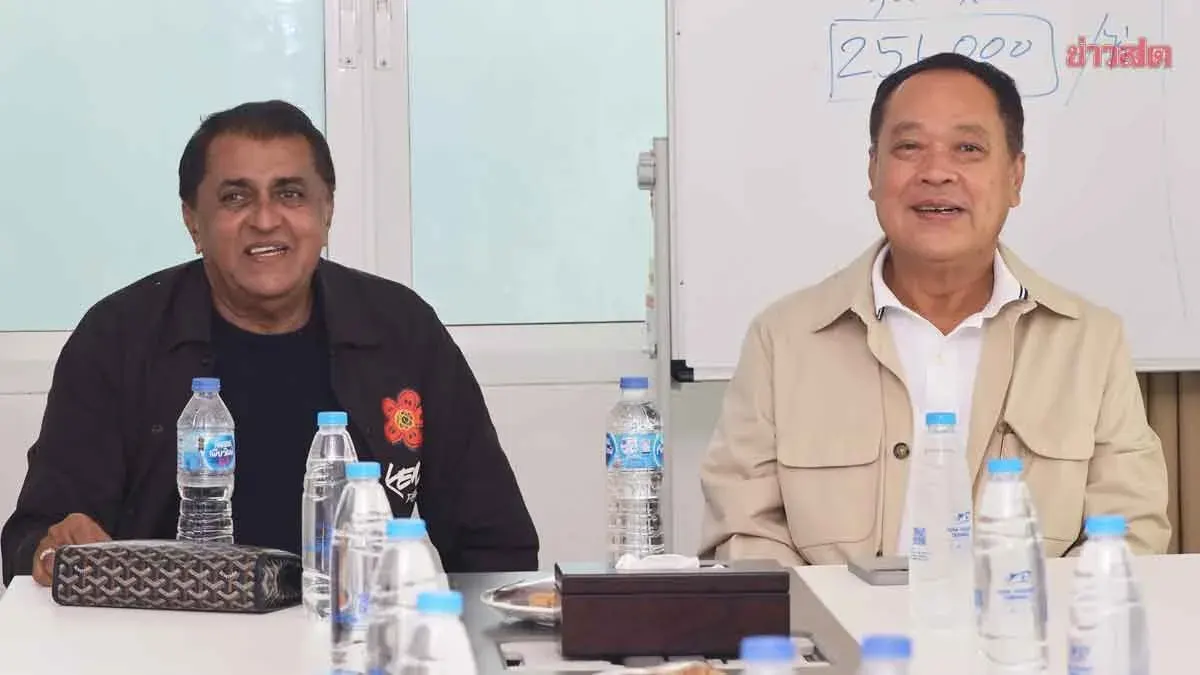
Pol. Lt. Gen. Thavee Sodsong led a delegation to the TEPA Transit Terminal at Thapha Port in Pak Bang subdistrict, Thapha district, Songkhla, to hear opinions and discuss development plans, including job creation for southern border residents. Former Senator and TEPA owner Anumat Ahmad explained that developing a deep-water port in the south is difficult due to limited rear-port space, community restrictions, municipal regulations, and the need for an environmental impact assessment (EIA). He therefore invested in a coastal port using existing waterways in Thapha, financing it himself. Early local opposition faded after he demonstrated minimal environmental impact; the port passed the EIA and received no objections within a five‑kilometre radius. Currently the port employs nearly 200 workers, 97‑98 percent from nearby villages, helping reduce youth unemployment and drug addiction, with average monthly earnings of 10,000‑20,000 baht per person and circulating 3‑4 million baht monthly in the local economy, plus indirect income for vendors selling supplies to ships. Anumat Ahmad noted that surrounding land remains hampered by outdated laws, especially wildlife sanctuary notices and zoning regulations, despite a cabinet resolution designating the area as a goods distribution center, which has discouraged investors. He urged Thavee to push for amending the two laws, arguing that using special provisions could automatically spur employment and industry, allowing warehouses to be moved outward to benefit over 600 rai of surrounding communities. He also highlighted logistics savings: Thapha port serves as a hub for cement from central Thailand (TPI, Insee) destined for four to five southern provinces; sea transport cuts costs from 1,000 baht per ton to 200‑400 baht, lowering construction material costs and making housing more affordable for southern residents. Discussions are underway with SCG, Thai Wadu, Makro, Big C, Lotus, 7‑Eleven, and Tops to shift consumer goods transport by sea, which could dramatically reduce prices.