Labor Ministry Caps Film Production Hours at 14
Thailand's Ministry of Labor has unveiled comprehensive new labor standards for the film and television industry, capping daily working hours at 14 and requiring written contracts for all cast and crew before production begins. The regulations also mandate on-set safety officers, child performer protections, and strict rules governing the use of performers' likenesses in artificial intelligence applications.

The Ministry of Labor has issued new standards for film, series, and drama productions covering both employees and freelancers. Working hours are capped at a maximum of 14 hours per day, with normal hours not exceeding 10 hours. Written employment contracts detailing scope of work, pay, overtime rates, and payment schedules must be in place before the first day of shooting. The standards also mandate on-set safety officers, risk assessments for hazardous scenes, child performer permits with age-based hour limits, and protections regarding the use of performers' likenesses and voices in AI applications.
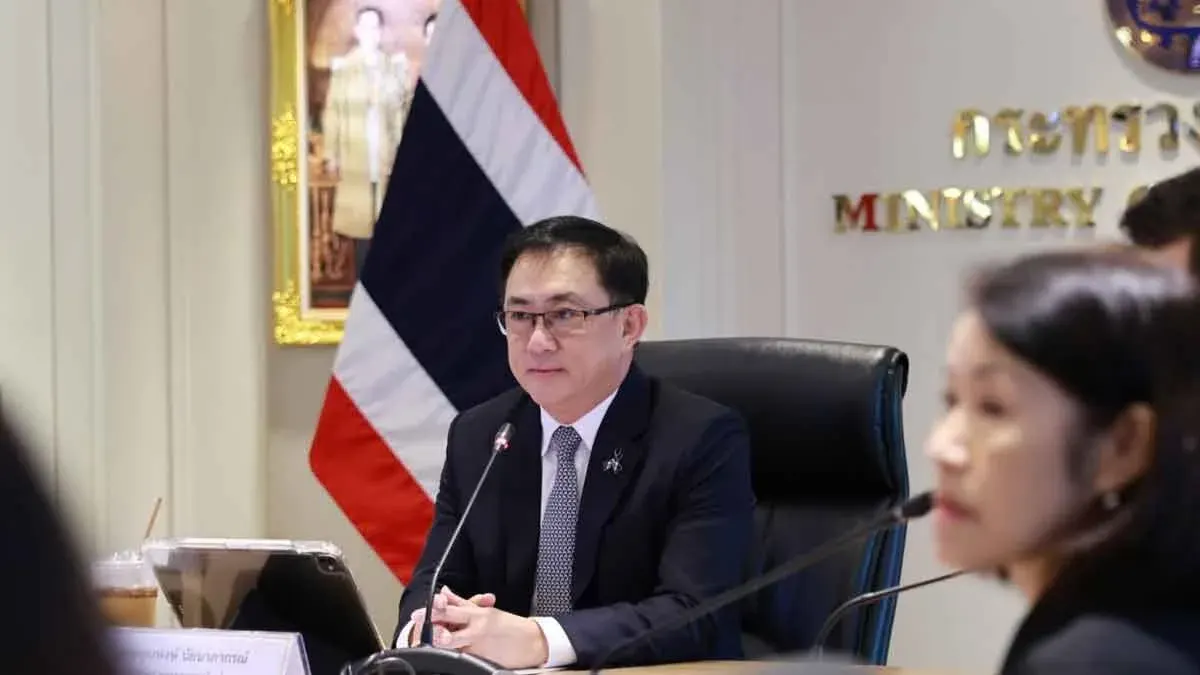
On October 21, 2026, Ms. Bunya Korn Damrongrat, Advisor to the Minister of Labor, chaired a meeting to discuss working guidelines for film, series, and drama productions to address safety, health, and welfare issues affecting entertainment industry personnel. Ms. Bunya Korn stated the meeting aimed to consider draft creative labor standards as minimum requirements all productions must follow, regardless of employee or freelancer status, covering both cast (lead actors, supporting actors, stunt performers) and technical crew (camera, lighting, sound, costume, art, makeup, production).
The draft standards cover key areas including: 1. Written employment contracts before the first work day with clear scope, pay, overtime rates, and payment dates. 2. Working hours and rest periods: normal work not exceeding 10 hours, maximum ceiling of 14 hours, and mandatory turnaround rest between shooting days. 3. Requirement for dedicated safety officers on set, risk assessments for dangerous scenes, qualified specialists to oversee stunts and weapons, and workers' right to refuse dangerous work without penalty. 4. A child performer permit system limiting working hours by age group, on-set child welfare guardians, and protections against interference with education. 5. Rights to image, voice, and AI technology applying the principles of Consent, Compensation, and Control — separate contracts for AI or digital scanning use, and a ban on using likeness or voice to train AI without permission.