Deputy PM Secures Campus Relocation Deal, Allows Lab Access During Exams
Deputy Prime Minister Yoschanan Wongsawat has brokered a settlement between two Bangkok technical institutes over a court-ordered campus relocation. The agreement includes financial compensation for affected students and staff, a temporary suspension of on-site classes for safety reasons with controlled lab access during exams, and a 50 percent tuition reduction backed by the wider university network and industry partners.
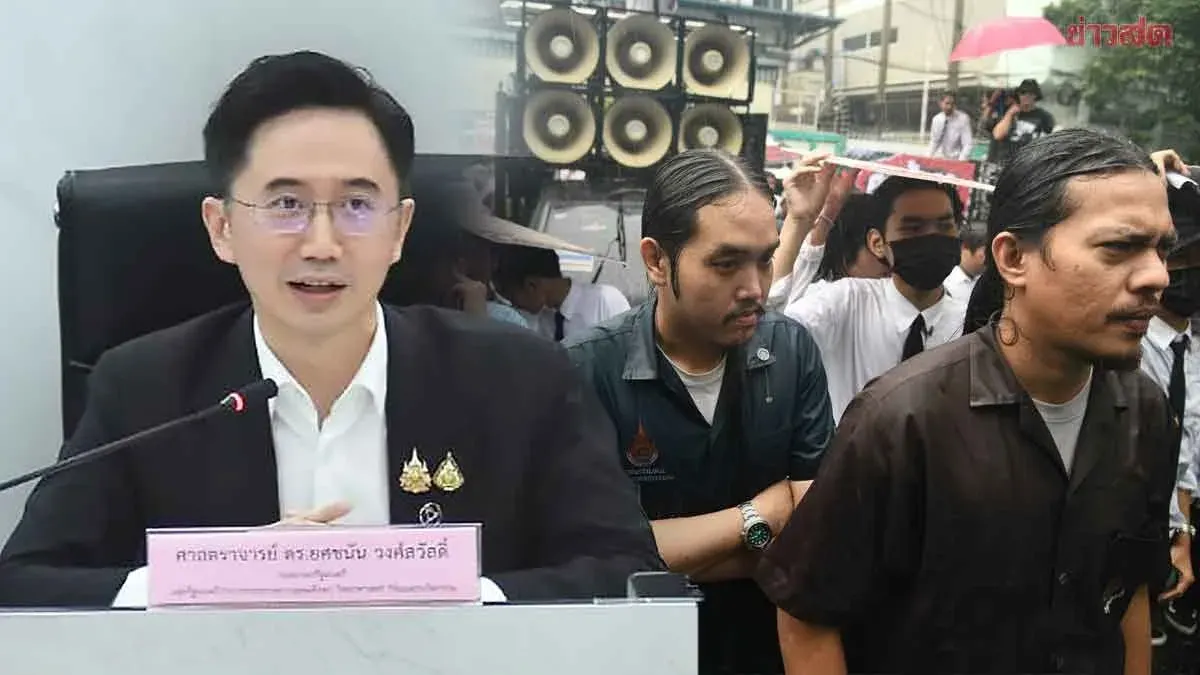
Deputy Prime Minister and Higher Education Minister Yoschanan Wongsawat reaffirmed the ministry's core principles following a meeting on October 20, 2026, at the Ministry of Higher Education, Science, Research and Innovation (MHESI) with Rajamangala University of Technology Uthen Thawai and Pathumwan Institute of Technology to find a joint resolution. The ministry emphasized three pillars: adherence to law, ensuring safety, and providing fair compensation.
After tripartite talks, the parties confirmed clear guidelines on three main points:
1. Relocate the campus in accordance with the law while maximizing impact mitigation. The move of the Uthen Thawai campus is mandated by a definitive ruling from the Committee for the Termination of Civil Cases Involving State Agencies (Kor Yor Por.), which all sides must follow. Equally important are support measures to minimize disruption to students and staff, covering tuition, relocation and travel costs for faculty, assistance with prepaid dormitory or room rents, and increased travel expenses.
2. Suspend on-site teaching in the area, with the paramount concern being "the safety of everyone's lives." The decision to halt or modify classes is driven by student safety and the safety of residents in the surrounding community. The ministry considers the concerns of parents sending children to early-morning classes and the safety of commuters on the BTS Skytrain and nearby areas, making life safety the top priority.
To avoid disrupting practical coursework, discussions and coordination with the Rajamangala University of Technology (RMUT) network began last month to open laboratories for students. In this phase, the president must urgently have department heads and deans compile each program's laboratory requirements and coordinate with the host RMUT campuses to finalize arrangements within the next week. All plans will then be reviewed jointly again. Preliminary assessment indicates the coordinated labs are sufficient; however, if certain faculties or courses have technical needs that cannot be met externally, they may discuss case-by-case exemptions allowing specific student groups to use labs in the original area, especially during exam periods when lab access is essential. Faculties must submit clear usage plans, and MHESI will coordinate police officers to provide strict security oversight to ensure classes and exams proceed safely for students, staff, and the public.
3. Finalize additional cooperation measures: reduce tuition by 50 percent and mobilize the RMUT network and industry sector to develop skills. For the agreed supplementary measures, the ministry will coordinate the Rajamangala technology network to support teaching and laboratories in logistics, architecture, civil engineering, and construction, while also coordinating with the home institutions to cut student tuition by half.