Editorial: Government Must Act as Fuel Prices Rise Amid Floods
An editorial urges the Thai government to introduce concrete relief measures after a third fuel price hike in one month raised some prices by 2.10 baht per liter, compounding hardship for flood-affected communities. The piece argues that standard belt-tightening advice no longer works for households with no expenses left to cut, and calls for targeted fuel tax cuts, public transport subsidies, and faster, broader flood compensation to prevent a cost-of-living crisis from becoming a crisis of public trust.
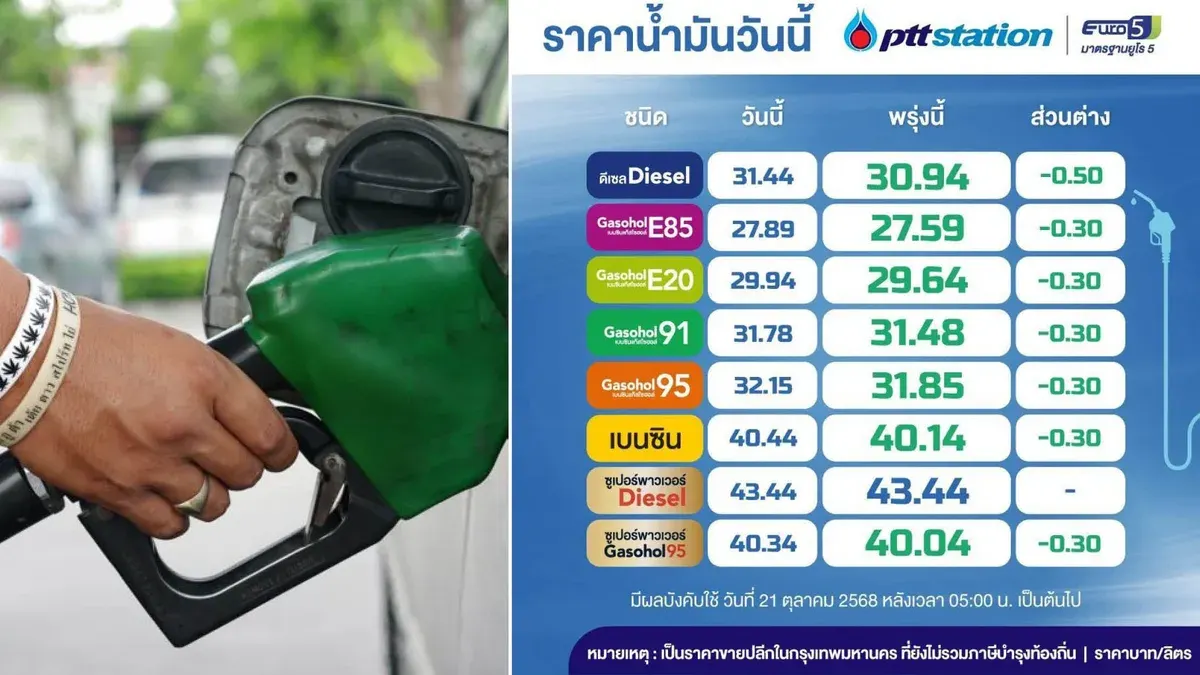
The government faces constraints in capping fuel prices due to global market rates and the state oil fund's condition, but those constraints should not mean the public bears the burden alone. The state must urgently consider relief measures that deliver real results: appropriately cutting fuel taxes, subsidizing public transport fares, and delivering flood compensation quickly and comprehensively — especially to low-income groups and daily fuel users. The demand is not for the government to freeze fuel prices forever, but to ensure citizens can weather the crisis without shouldering every cost alone. Authorities must clearly state what measures exist, who they help, how much budget is allocated, and when they start — not let aid proposals fade silently. Three fuel hikes in one month, amid widespread flood damage, test both the government's capability and its sincerity in protecting the people. If measures remain slow, vague, and disconnected from the urgency on the ground, a cost-of-living crisis could spiral into a crisis of confidence. The question the government must answer is not just how it will handle global oil prices, but how it will prevent people from fighting alone just to put food on the table.