Bhumjaithai MPs Walk Out of Committee Over Gambling Probe Dispute
Bhumjaithai MPs walked out of a House committee meeting on Oct 22 after Vice-Chair Supachai Jaisamut objected to Chair Rangsiman Rome proceeding with a gambling probe
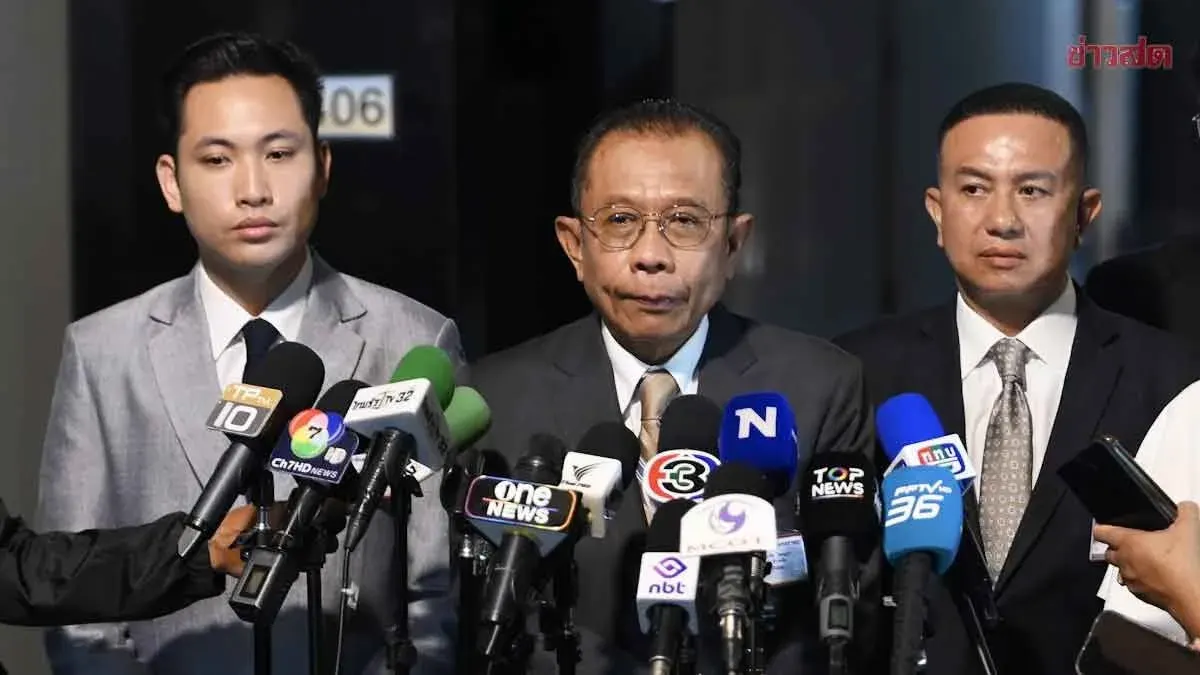
On October 22, 2026, at Parliament, the House Committee on Law, Justice and Human Rights, chaired by People's Party list MP Rangsiman Rome, convened with former Democrat MP Sirichok Sopha invited to provide information on gambling website shares held by Taeyang Saeng, husband of Bhumjaithai Chaiyaphum MP Suchada Saengtham.
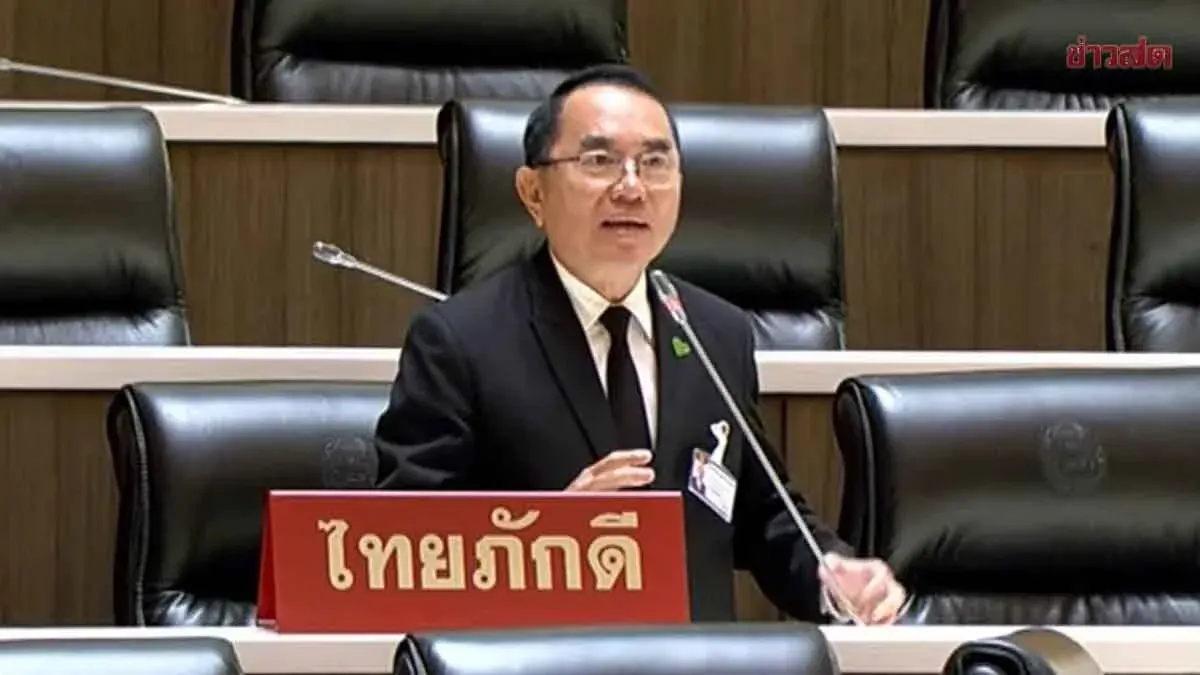
Bhumjaithai list MP Supachai Jaisamut, serving as committee vice-chair, objected that this was not a committee resolution. He noted that a prior meeting with the House Speaker and 35 committee chairs had established clear guidelines: before proceeding under constitutional and legal regulations, the committee must vote on whether to accept a matter for consideration. If the meeting resolves to consider it, proceed per the resolution; if not, no consideration is required.
Supachai therefore proposed a motion for a committee vote. Fellow vice-chair Piyarat Chongthep countered that no objection existed if someone certified the matter, but a meeting notice had already been issued on October 9, so any agenda item should have been raised before seeking a vote today.
Pol. Lt. Col. Thawi Sodsong, committee member for the Chartthaipattana Party, stated the issue had been discussed over eight previous meetings and viewed as the same matter. Requesting a vote was not in the regulations but was an agreed practice; any motion should concern a new issue. He referenced prior discussions on a 40-million-baht bribery case involving 4,000 gambling sites, some allegedly using Stock Exchange of Thailand channels, which the SET had clarified. As legislators, they must follow the law, just as the House Speaker must seek member approval to add agenda items; the same principle applies here.
Supachai stood and retorted that his proposal served no personal interest but aimed to ensure the committee operates with dignity, not arbitrary power, adhering to regulations and the constitution. He insisted he had no stake in the vote's outcome but believed matters of public scrutiny should be decided by the committee, not unilaterally by the chair. He argued that Thawi's reasoning sounded correct but was not: the Speaker's agenda-setting involves a civil service vetting process; if the committee proceeds this way, future chairs will replicate it. One day when Rangsiman is gone, a new committee will cite precedent. This is a legislative body, not a place for whims.
Rangsiman asked Supachai to conclude. Supachai replied he had finished, adding that summoning individuals was a separate issue — questioning whether the invitee would cooperate — but urged compliance with regulations. He proposed a vote: if the opposing side claims past practice yields 'poison fruit,' then the fruit is poison because they made it so, and he wanted a vote to let the result stand.
A committee advisor then noted the core dispute was whether agenda-setting authority rests with the committee chair or the full committee, adding that in many committees the chair holds agenda authority per meeting regulations used by precedent.