ASEAN Steel Institute Urges Phase-Out of Induction Furnaces in 3 Years
ASEAN’s steel institute warned that reinforcing bars made with induction furnaces often fail quality tests, citing the collapse of Thailand’s State Audit Office building as a case in point. It urged a review of standards and a gradual phase‑out of IF furnaces within three years to protect public safety. The institute also noted higher impurity levels in IF‑produced steel compared with BOF or EAF processes.
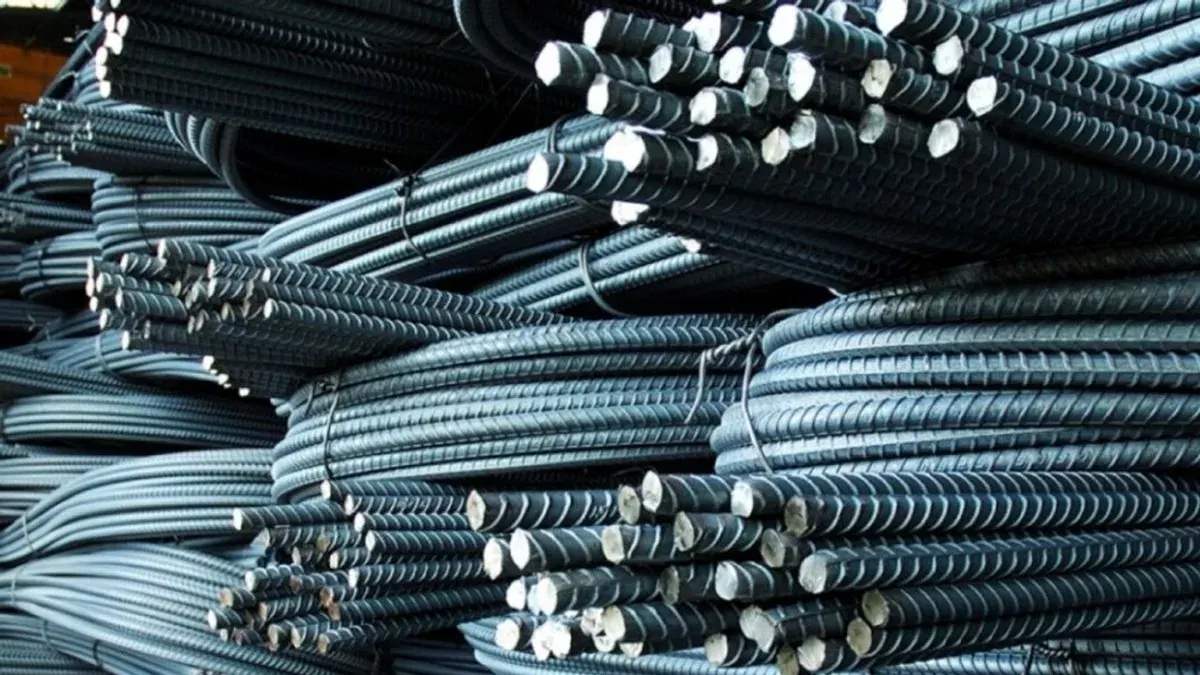
The secretary-general of the Southeast Asian Iron and Steel Institute (SEAISI), Yew Wee Jin, raised concerns about the quality of reinforcing bars made with induction furnaces (IF) during the second ASEAN Policymakers Conference on Steel and the ASEAN Iron and Steel Forum 2026 held in Manila, Philippines, in September 2026. He noted that the issue appears in both Thailand and the Philippines and is linked to checks on construction-material standards, citing the collapse of the State Audit Office building in Thailand as one case that sparked questions about rebar quality. Tests on 12‑, 20‑ and 32‑mm rebar samples from that building showed about 90 % met the Thai Industrial Standard (TIS) while roughly 10 % did not, although he stressed that design and construction practices also played a major role and the steel alone should not be blamed.
He observed that doubts about IF‑produced steel have been voiced for a long time, questioning the suitability of the technology and confidence in its output. In the Philippines, the Philippine Iron and Steel Institute (PISI) found that about half of rebar samples purchased from building‑supply stores in northern Luzon failed weight‑tolerance and elongation tests, and sub‑standard rebar was also detected in Mindanao, traced to manufacturers using IF furnaces.
Technically, SEAISI pointed out that the IF process lacks the primary refining step present in basic oxygen furnace (BOF) or electric arc furnace (EAF) routes, leading to higher levels of inclusions—studies cited show impurity concentrations four to five times greater than in BOF or EAF steel, which can affect ductility, elongation and fatigue resistance.
The institute’s task force proposes reviewing the appropriateness of using IF furnaces for construction steel, limiting their use to non‑structural applications, and studying a feasible transition within three years, with strict safety conditions during the changeover. Ultimately, the focus must be on assessing steel quality from inspection evidence and determining whether current standards and regulatory frameworks are adequate to ensure that construction materials meet required quality and safety specifications.