Health Agency Issues 8-Point Advisory on Toxic Flood Waters
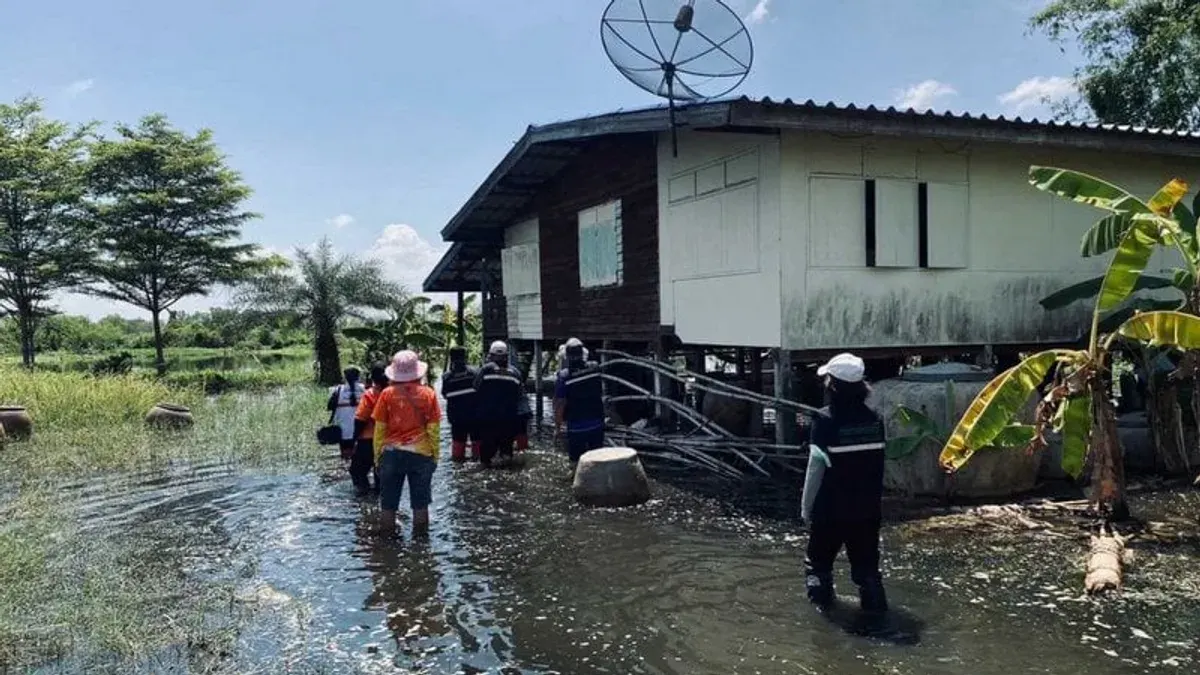
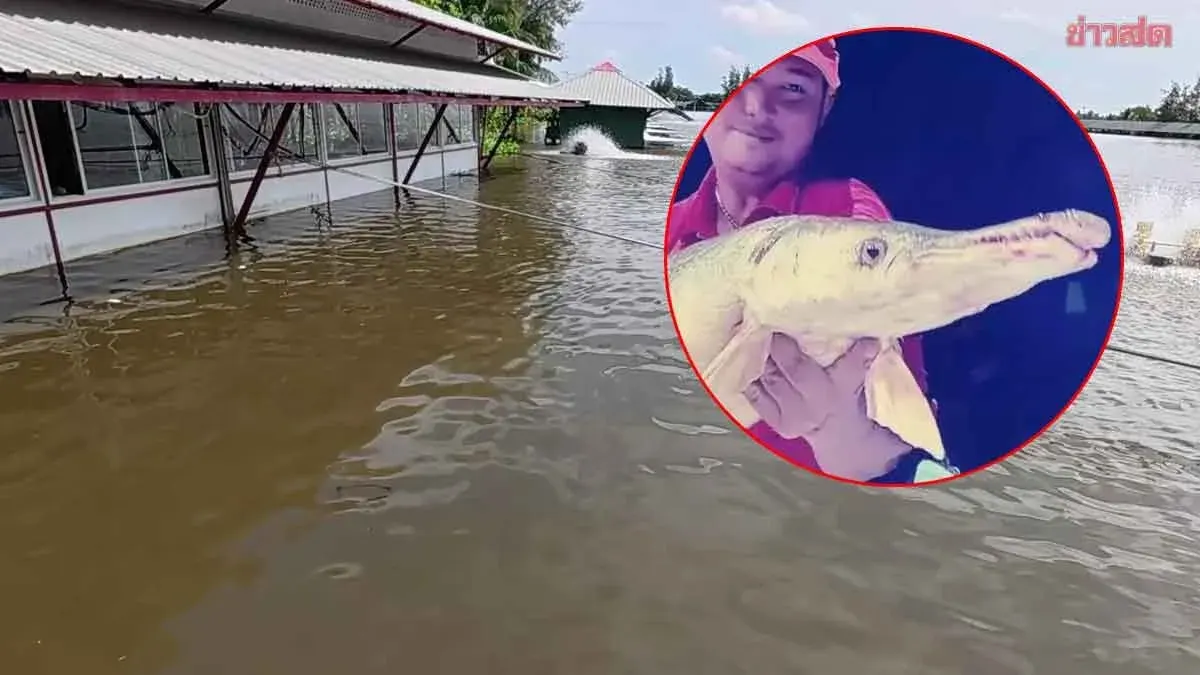
The Thai Health Department has issued an urgent warning about toxic floodwaters in Prachinburi’s industrial district, advising residents to avoid using local water and catching aquatic animals. Eight precautionary measures were outlined, including avoiding contact with contaminated water, using safe water sources, wearing protective gear, and seeking immediate medical help for symptoms such as dizziness, chest tightness or breathing difficulties. Special precautions were also recommended for pregnant women, children and the elderly.

The Health Department’s eight-point advice includes: 1) Avoid using water from sources suspected of contamination for drinking, cooking, bathing, brushing teeth, washing face or watering vegetables; 2) Use standard tap water or sealed bottled water; 3) Avoid direct contact with floodwater and sediment, especially where oil sheen or chemical odour is present, and wear boots, gloves and full‑cover clothing if entry is unavoidable; 4) If contact cannot be avoided, wear waterproof boots, long rubber gloves and protective clothing to reduce skin exposure; 5) Wash the body immediately with clean water and soap after any contact, and rinse eyes with plenty of water for at least 15 minutes if chemicals get in; 6) Refrain from catching, keeping or eating aquatic animals or plants from the affected area until safety is confirmed, as hydrocarbons especially PAHs can accumulate in fish tissue; 7) Avoid inhaling chemical vapours—if a strong or unusual smell is noticed, leave the area for fresh air; 8) Seek immediate medical attention if experiencing dizziness, nausea, vomiting, chest tightness, breathing difficulty, severe rash, itching or intense eye irritation.
Deputy Director‑General Naresarit Khattasima added that pregnant and breastfeeding women should avoid contact with contaminated water and sediment and should not prepare food from aquatic animals caught in the risk zone, because substances such as benzene and PAHs can cross the placenta or enter breast milk, potentially affecting fetal development and increasing the risk of preterm birth. For young children, parents must keep them away from floodwater and mud, and ensure hands are washed before meals. Elderly people and those with chronic conditions—particularly asthma, lung disease, heart disease or skin disorders—should prepare necessary medications such as inhalers and antihistamines, keep clean water available, and see a doctor promptly if they develop unusual dizziness, chest tightness, persistent cough or breathing difficulty.