Mahasarakham Police Educate Villagers on Cyber Scams
Mahasarakham provincial police conducted a community outreach event in Kosum Phisai District to educate over 100 residents about cyber threats like ghost SIMs, horse accounts, and face-scanning scams. The campaign follows recent cases where scammers tricked more than 60 villagers in Ka Dam District into registering apps, scanning faces, and swapping SIM cards for small payments, risking their identities being used for illegal banking and fraud. Police urged the public never to share personal data or register accounts for others and encouraged community leaders to spread awareness to prevent further victims.
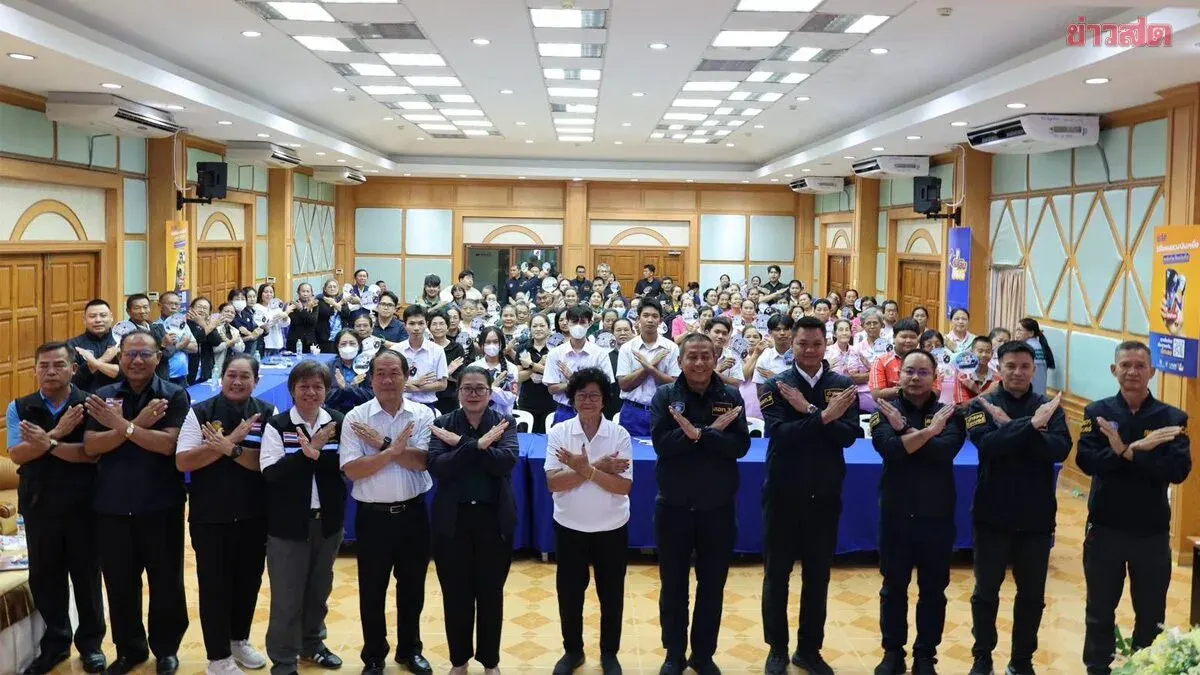
Cyber-Mahasarakham police engaged with communities, trading awareness with locals to build immunity against 'ghost SIMs, horse accounts, and face-scan-for-money scams.' On October 22, Pol. Lt. Col. Chaiphan Thapwong, Deputy Commander of Sub-division 3, along with Pol. Lt. Col. Adichat Amornpradit, Head of Analysis at Sub-division 3, led officers in a cyber threat awareness activity titled 'Making Villages and Communities Free of Ghost SIMs and Horse Accounts' at the Kosum Phisai Subdistrict Municipality meeting hall in Hua Wang, Kosum Phisai District, Mahasarakham Province. The Deputy Mayor, District Clerk, Secretary to the Mayor, village heads, community leaders, students, and over 100 local residents attended.
This follows a policy from Pol. Lt. Gen. Thinnakorn Rangmat, Commander of the Cyber Crime Investigation Bureau, directing Sub-division officers to visit various locations to provide knowledge and build cyber immunity among the public, alongside prevention and suppression of technology crimes. In Mahasarakham Province, there have been cases where scammers deceived over 60 villagers in Ka Dam District, luring them to register applications, use ID cards for identity verification, scan their faces, and swap SIM cards in exchange for 500–1,000 baht per person. Such behavior risks personal data and identity verification being misused, particularly for opening bank accounts or registering SIM cards to serve as tools for criminal syndicates — known as 'horse accounts' and 'ghost SIMs.'
During the lecture, police conveyed knowledge about technology crime patterns, scammer tactics, and self-protection methods against online threats — especially scams tricking people into face scanning for money. The public may not realize that face scanning is a crucial step in identity verification for accessing financial and digital services. If deceived into allowing others to use their data, they risk having horse accounts opened, ghost SIMs registered, or unauthorized transactions made in their name.
Police further emphasized that the public should not believe individuals offering money in exchange for using their ID cards, face scans, opening bank accounts, or registering SIM cards for others. They also encouraged community leaders and residents to disseminate the knowledge gained to families and locals to jointly build a cyber-vigilance network, reduce the risk of falling victim, and prevent people from unknowingly becoming involved in horse account and ghost SIM syndicates.