Activists Highlight Rights Issues Before Thailand's UN Review
Activists and grassroots leaders held a press conference on 21 October to highlight persistent problems in half a dozen areas ahead of the Universal Periodic Review (UPR) process in Geneva, a United Nations process that examines the human rights records of member states every four years. The press conference was organised by Manushya, a Bangkok-based […]
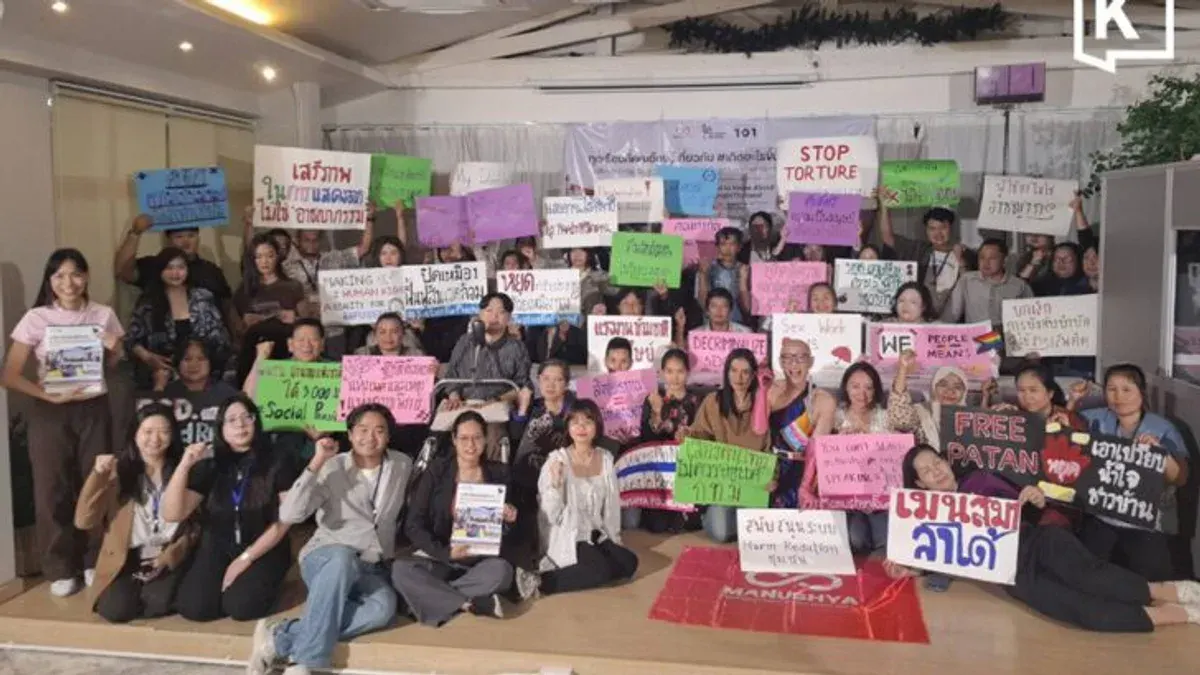
Activists and grassroots leaders held a press conference on 21 October to highlight persistent problems in half a dozen areas ahead of the Universal Periodic Review (UPR) process in Geneva, a United Nations process that examines the human rights records of member states every four years. The press conference was organised by Manushya, a Bangkok-based NGO that aims to empower local communities, women human rights defenders, Indigenous peoples and LGBTIQ+ groups across Southeast Asia, and the Thai CSO Coalition for the UPR and UN Mechanism. 101 Media was the media partner. The issues ranged from the rights of migrant workers, asylum seekers, LGBTQ+ people, ethnic minorities, people with disabilities and older people to other human rights concerns. Here are the main issues raised. Thai-Malay Muslim rights in the Deep South Abdulloh Ngoh, of the Justice for Peace and Development Network, or JASAD, and the PATANI Working Group for Monitoring on International Mechanisms, said Thai-Malay Muslims in the Deep South continue to face discrimination by the state when they seek to express their Malay identity. Abdulloh, who suffered recurring panic attacks and post-traumatic stress disorder (PTSD) as a result of detention, said there had been 53 extrajudicial killings between 2004 and 2026 and that 34 people had been forcibly disappeared. "We call for the monitoring of torture," Abdulloh said, adding that the same period saw 640 cases of torture. He added that any peace talks should involve locals. Transnational repression Tanruthai Thanrut, a political activist with the Manushya Foundation who supports refugees affected by transnational repression, called for a review of a recent amendment proposed by Prime Minister Anutin Charnvirakul that would make it easier to deport foreigners. "This law infringes on human rights. If you're human, please keep a close watch on the issue." Workers' rights Wattana Sunsa, a trade unionist with the Thai Metal Products YMP Labour Union, said there were only 14,000 unions in Thailand and that less than 3 percent of the workforce was unionised. He added that migrant workers from other countries could not fully access welfare benefits or exercise their rights. Free Trade Agreements Chalermsak Kittitrakul of FTA Watch said concerns about the proposed Thailand-EU free trade agreement, which is likely to be signed by the end of the year, include farmers' rights to seeds, the impact on generic medicines and medicine prices. He added that the public had no opportunity to participate in the process. More worrying, he said, is the so-called Thailand-US Agreement on Reciprocal Trade (ART), for which the Thai government has classified all the information. Prokchol Ousap of Bio Thai, an NGO working on seed rights, added that durian and other local fruits could be affected by the Thailand-EU FTA because farmers might lose the right to save and propagate seeds, which could instead be licensed to large agribusinesses. Indigenous rights Naoww